

Overview
SIGN UP FOR BOTH DAYS AND SAVE!
Customers attending both days of the Symposium will save $99 on the combined registration. Add Day One to your cart, then add Day Two. The discount will be automatically applied in your cart when you add the second day. (Note: ProPass subscribers instead receive a 40% discount.)
Use this page to register for Day Two of the Criminal Law Symposium 2026.
Use this link to register for Day One.
PBI’s Criminal Law Symposium 2026
For more than four decades, the Pennsylvania Bar Institute has delivered premier continuing legal education for criminal law practitioners across the Commonwealth — and 2026 marks our 43rd annual Criminal Law Symposium.
Join colleagues from across the state for unparalleled CLE, cutting-edge insights, and practical strategies you can put to work immediately.
Save time. Gain skills. Stay compliant.
Attend online with the ultimate convenience designed for busy criminal law professionals.
Capital Case Practitioners
Join the Capital Track (Track C) on (see schedule below) and earn up to 6 Capital Case CLE Credit Hours (Rule 801).
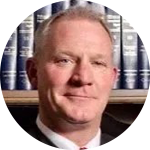
Justice Kevin M. Dougherty
Supreme Court of Pennsylvania
Featured Keynote
9:00 – 10:00 AM
We are honored to welcome Kevin M. Dougherty, Justice of the Supreme Court of Pennsylvania, who will explore:
The Intersection of Autism, the Courts, and the Practice of Law
Gain valuable perspective on how mental health issues shape courtroom dynamics, judicial decision-making, and the evolving responsibilities of criminal law practitioners.
Customize Your CLE Experience
- Craft your own schedule — choose from up to three consecutive sessions each hour
- Learn from esteemed faculty from across Pennsylvania
- Practical content for prosecutors, defenders, judges, and private practitioners
Maximize Your Credits
- Earn up to 10 Substantive Credits
- Earn up to 2 Ethics Credits
- Attend both days and you may satisfy your annual CLE compliance requirement
Don’t Miss Pennsylvania’s Premier Criminal Law Event of 2026!
Secure your spot today and be part of a 43-year tradition of excellence.
Interested in this area of practice?
Join PBA's Criminal Justice Section!
CREDIT HOURS
60-Minute States
Eligible for 6 hours
50-Minute States
Eligible for 7.2 hours
Credit hours are estimated and are subject to each state’s approval and credit rounding rules.
TOP WEBCAST FAQs
How do I access the Webcast I registered for?
How do I access the Electronic Materials included with my Webcast?
How do I update and/or submit my course completion affidavit if I leave my Classroom?
More questions? Visit our Help Center.
CONTACT US
Our Customer Experience team is available Monday through Friday, from 8:30 am to 5:00 pm. You can reach out one of three ways:
- Email: [email protected]
- Phone: 800-932-4637
- Live Chat: You can find our live chat box on the bottom right corner of your screen
WEBCAST ACCESS PERIOD
Live Webcasts, including video archives and course materials, are available for 90 days following the event.
DISCOUNTS
ProPass does not apply to this program.
Public Interest Attorneys are eligible for our standard Public Interest Discount of 50%. Please visit our Help Center for more information.
Schedule – Day Two
Friday, June 5, 2026
9:00 – 10:00 am
TRACK A
1 ETHICS CREDIT
1 CAP CASE CREDIT
The Intersection of Autism, the Courts, and the Practice of Law
Justice Kevin Dougherty
10:10 – 11:10 am
TRACK A
Evidence Update
Prof. Jules M. Epstein, Esq.
TRACK C
1 CAP CASE CREDIT
Capital Case Developments
Robert B. Dunham, Esq.
11:20 am – 12:20 pm
TRACK A
Sentencing & Sentencing Guidelines: Two Years Post Initial Implementation
Ryan S. Meyers
TRACK B
AI & Criminal Defense: Navigating Constitutional, Legal, and Ethical Challenges, While Enhancing Trial Advocacy
Ben-Zion Datika, Esq.
TRACK C
1 CAP CASE CREDIT
Post-Conviction DNA Testing in Pennsylvania: Commonwealth v. Hardy and the New Landscape Under Section 9543.1
Elizabeth A. DeLosa, Esq., Amelia Maxfield, Esq.
12:20 – 12:50 pm
Lunch
12:50 – 1:50 pm
TRACK A
The Interplay Between State PCRA and Federal Habeas
Prof. Daniel Silverman, Esq.
TRACK B
Eyewitness Identification
Jodi L. Lobel, Esq.
TRACK C
1 CAP CASE CREDIT
Understanding and Litigating False and Coerced Confession Cases
Lauren Gottesman, Esq., Nilam A. Sanghvi, Esq.
2:00 – 3:00 pm
TRACK A
The Probation Reform Act and Resentencing: Case Law and Practice Updates
Elisa K. Downey-Zayas, Esq.
TRACK B
Drug Case Law Summaries and Litigation Strategies
Troy H. Wilson, Esq.
TRACK C
1 CAP CASE CREDIT
The Changing Landscape of Defendant Identifications
Prof. Jonathan P. Vallano
3:10 – 4:10 pm
TRACK A
1 ETHICS CREDIT
1 CAP CASE CREDIT
The Self Care of Professionals in the Legal Community
Dr. Frank M. Dattilio, Ph.D., ABPP
Session Descriptions – Day Two
Friday, June 5, 2026
9:00 – 10:00 am
TRACK A
1 ETHICS CREDIT
1 CAP CASE CREDIT
The Intersection of Autism, the Courts, and the Practice of Law
Justice Kevin Dougherty
This ethics-focused session explores how autism spectrum conditions intersect with criminal proceedings and legal practice. Justice Dougherty will examine common communication differences, behavioral characteristics, and systemic challenges that may affect interactions with clients, witnesses, and court personnel. The program will address ethical obligations related to competence, communication, confidentiality, and zealous representation, while offering practical strategies for recognizing potential issues, ensuring meaningful participation in the legal process, and promoting fairness within the courtroom. Attendees will gain greater awareness and practical tools to ethically and effectively represent neurodivergent individuals in criminal matters.
10:10 am – 11:10 am
TRACK A
Evidence Update
Prof. Jules M. Epstein, Esq.
Stay current on the latest developments in evidence law in this focused update for criminal practitioners. Professor Braccia will review recent case law, rule changes, and emerging trends affecting admissibility, expert testimony, hearsay, digital evidence, and constitutional considerations. The session will highlight practical implications for trial strategy, motion practice, and preserving issues for appeal, providing attendees with actionable insights to effectively navigate evidentiary challenges in today’s courtroom.
TRACK C
1 CAP CASE CREDIT
Capital Case Developments
Robert B. Dunham, Esq.
Robert Dunham provides a comprehensive overview of recent developments, trends, and case law in capital punishment. This CLE session addresses the seemingly contradictory developments in capital punishment nationwide, contrasting the historic decline in the nation's death row and record low public support for capital punishment in 2025 with the efforts of the new federal administration in 2026 to expand the use of the death penalty and facilitate executions. It will also discuss notable U.S. and Pennsylvania Supreme Court capital case decisions since the last Criminal Law Symposium, review the status of pending death penalty legislation in Pennsylvania, and look at new research on public safety and the death penalty.
11:20 am – 12:20 pm
TRACK A
Sentencing & Sentencing Guidelines: Two Years Post Initial Implementation
Ryan S. Meyers
This session will provide early data analyses on 8th Edition related cases, takeaways from early implementation and county experiences with the new guidelines, a refresher on fundamental changes, and a review of recently enacted legislation and appellate opinions impacting sentencing and the guidelines. Topics: Data analyses, Refresher on changes associated with the new edition of guidelines, Takeaways from early implementation & county experiences, and Recently Enacted Legislation and Appellate Court decisions.
TRACK B
AI & Criminal Defense: Navigating Constitutional, Legal, and Ethical Challenges, While Enhancing Trial Advocacy
Ben-Zion Datika, Esq.
As advancements in artificial intelligence (AI) rapidly reshape industries worldwide, the legal profession is uniquely positioned at the threshold of transformation. This CLE presentation will provide in-depth insights into how AI is reshaping criminal defense practice, focusing on its intersection with constitutional law, trial advocacy, evidentiary challenges, and ethical considerations. The session is designed to equip attorneys with practical knowledge and tools to effectively integrate AI considerations into their advocacy, while addressing the legal and ethical implications specific to Pennsylvania’s legal landscape.
TRACK C
1 CAP CASE CREDIT
Post-Conviction DNA Testing in Pennsylvania: Commonwealth v. Hardy and the New Landscape Under Section 9543.1
Elizabeth A. DeLosa, Esq., Amelia Maxfield, Esq.
In 2025, the PA Supreme Court decided Commonwealth v. Hardy, 337 A.3d 385 (Pa. 2025), and for the first time comprehensively interpreted PA's post-conviction DNA testing statute (passed in 2002 and amended in 2018). In particular, the court updated its prior precedent regarding the timing for filing motions requesting testing and the burden of proof. This session will walk participants through the standards for litigation post-conviction DNA testing issues as set forth in Hardy. It will also provide an overview of the evolution of DNA technology and of cutting-edge techniques in testing that can help both pre-trial and post-conviction practitioners.
12:50 – 1:50 pm
TRACK A
The Interplay Between State PCRA and Federal Habeas
Prof. Daniel Silverman, Esq.
The May 2022 United States Supreme Court decision in Shinn v. Ramirez made it exceedingly for our clients to prevail in federal habeas proceedings on any claim, no matter how meritorious, that was not properly raised and fully litigated in state post-conviction proceedings. This session will cover the many steps a conscientious, zealous PCRA practitioner must take to maximize our clients’ chances of success in state court and thereby protect their legal interests in habeas proceedings.
TRACK B
Eyewitness Identification
Jodi L. Lobel, Esq.
This session examines the legal standards, scientific research, and practical challenges surrounding eyewitness identification in criminal cases. Faculty will explore factors affecting reliability, recent case law developments, and considerations related to suggestive identification procedures. The program will provide practical guidance for litigating identification issues, including pretrial motions, expert testimony, cross-examination strategies, and jury considerations, equipping practitioners with tools to effectively assess and address eyewitness evidence.
TRACK C
1 CAP CASE CREDIT
Understanding and Litigating False and Coerced Confession Cases
Lauren Gottesman, Esq., Nilam A. Sanghvi, Esq.
In this session, we will give an overview of interrogation techniques that lead to false and coerced confessions and provide tools and strategies for litigating these cases in all phases – from pre-trial to post-conviction proceedings. We will highlight emerging issues that attorneys should consider preserving for appeals and give updates on recent decisions in this area. Throughout, we will weave in a discussion of social science regarding the phenomenon of false confessions that can help to inform litigation strategy.
2:00 – 3:00 pm
TRACK A
The Probation Reform Act and Resentencing: Case Law and Practice Updates
Elisa K. Downey-Zayas, Esq.
On June 11, 2024, Act 44 – the Probation Reform Bill – went into effect across the state. Two years into implementation, provisions of the law have been addressed by higher courts while others still remain unsettled. This CLE will provide an overview of the statute, discuss the way in which its various provisions are being implemented, and highlight several key cases that examine provisions of the Act. Practical approaches to understanding the bill’s provisions and real-life applications in court will be discussed to help attendees understand the provisions of the bill, handle resentencing hearings, and successfully advocate with judges and other court actors.
TRACK B
Drug Case Law Summaries and Litigation Strategies
Troy H. Wilson, Esq.
This course will provide a comprehensive 2024-2025 case law summary for drug/narcotic/search and seizure/confidential informant cases in Pennsylvania to keep the attorney up to date on all such relevant cases to their criminal practice. Additionally, this course is designed to provide different "real world" pre-trial, discovery related, trial tips and techniques for the criminal law practitioner which they can then utilize when trying a Pennsylvania Drug case. This integrative process is designed to assist the criminal attorney in remaining current on Pennsylvania case law and in sharpening their litigation skills based on both the current case law trends and my extensive experience in handling this area of practice.
TRACK C
1 CAP CASE CREDIT
The Changing Landscape of Defendant Identifications
Prof. Jonathan P. Vallano
Traditionally, eyewitnesses primarily identified believed-to-be perpetrators by viewing a police showup or lineup. Due to rapid technological advancement, possible perpetrators can now be initially identified in additional ways. For example, possible perpetrators may be identified via facial recognition programs that match CCTV crime images to potential suspects or by eyewitnesses who believe they have seen the perpetrator before and access social media to confirm their identity. This presentation will first review the science relating to traditional eyewitness identifications. This presentation will additionally review what is empirically and practically known about facial recognition programs that may be used within police investigations, along with familiar eyewitness identifications involving the use of social media.
3:10 – 4:10 pm
TRACK A
1 ETHICS CREDIT
1 CAP CASE CREDIT
The Self Care of Professionals in the Legal Community
Dr. Frank M. Dattilio, Ph.D., ABPP
This ethics-focused session explores the importance of self-care and well-being for legal professionals navigating the demands of criminal practice. Faculty will examine how stress, secondary trauma, burnout, and compassion fatigue can impact professional judgment, competence, and ethical decision-making. The program will discuss ethical obligations related to attorney wellness, recognizing signs of impairment, and maintaining professionalism while managing high-pressure caseloads. Attendees will gain practical strategies and resources to support resilience, promote sustainable practice habits, and uphold their ethical responsibilities to clients, courts, and themselves.
Special Thanks to Our Planning Team
Gary N. Asteak, Esq.
Asteak Law Offices
Marian G. Braccia, Esq.
Temple University Beasley School of Law
Steven F. Fairlie, Esq.
Fairlie & Lippy PC
Honorable Robert A. Graci, Esq. (Ret.)
Saxton & Stump LLC
Jodi L. Lobel, Esq.
Pennsylvania Office of Attorney General
Maureen Flannery Spang, Esq.
Pennsylvania District Attorneys Association
Troy H. Wilson, Esq.
Wilson Law Office
Faculty
Ryan Meyers
Ryan S. Meyers is the Senior Deputy Director of the Pennsylvania Commission on Sentencing. In this role, he provides leadership, executive direction, and oversight for the Commission’s education collaborations and partnerships. Previously, Ryan held positions as Deputy Director (Administration and Outreach), Manager (Education and Outreach), and Sentencing Policy Specialist for the Commission. His work has focused on developing and delivering educational and outreach opportunities to criminal justice stakeholders; policy development, support, and implementation; and promoting best practices to ensure data quality. As a result, he frequently engages with legislative members and their staff, judges, prosecutors, defense attorneys, and court staff (court administration and probation) to accomplish the Commission’s various legislative mandates and duties. Mr. Meyers is an Assistant Clinical Professor in the Department of Sociology and Criminology at The Pennsylvania State University, where he teaches undergraduate courses in criminology and sentencing. Additionally, Ryan is a field instructor at Duquesne University’s Thomas R. Kline School of Law, instructing an elective course on Sanctions, Sentencing, and Corrections. Prior to the Commission, Mr. Meyers served as DUI Court Program Coordinator and Probation Officer for the Court of Common Pleas of Centre County (PA), and as a Youth Development Aide for the Pennsylvania Department of Human Services. Mr. Meyers received a B.A. degree in Crime, Law, and Justice and a Master of Public Administration (MPA) degree from The Pennsylvania State University.
Maureen F. Spang, Esq.
Maureen Flannery Spang is the Legal Resource Prosecutor for the Pennsylvania District Attorneys Association and the Pennsylvania District Attorneys Institute. Maureen has significant criminal justice experience, particularly in state and federal appellate courts. She attended the Catholic University of America, Columbus School of Law in Washington, D.C. and graduated magna cum laude in 2004. After law school, she had the privilege of serving for two years as law clerk for the Honorable William W. Caldwell in the Federal District Court for the Middle District of Pennsylvania. Following her clerkship, Maureen took a position as an Assistant District Attorney with the Office of the District Attorney in Bucks County, Pennsylvania. During her tenure at the office, she had primary responsibility for appellate work on capital cases. Maureen also worked on a full range of appellate cases in state and federal court, including brief writing, argument and Post-Conviction Relief Act hearings. In addition to appellate work, she also prosecuted a variety of felony and misdemeanor cases from pretrial to post-trial, served as the Right-to-Know appeals officer for various police departments, and kept staff and police departments apprised of changes to Pennsylvania criminal law. She remained with Bucks County until moving to Chambersburg in 2014. Upon relocating, Maureen continued to work for Bucks County drafting appellate briefs. Maureen is a central Pennsylvania native. She currently serves on a number of local boards in an effort to make a positive local impact and give back to the Franklin County community. Maureen and her husband reside in Chambersburg with their daughter and son.
Joseph K. Kelly, Esq.
Mr. Kelly is a sole practitioner in Philadelphia with over 20 years of experience in transportation related law. His practice concentrates in the areas of motor vehicle law, Title 75, DUI defense, license suspensions and license restoration. He represents thousands of union members from Local 107, Local 500, Local 628, Local 1201 and numerous other members and their families. He also represents hundreds of defendants each year in DUI arrests and thousands of defendants in motor vehicle violations in Philadelphia and surrounding counties. Mr. Kelly has tried thousands of DUIs and was responsible for uncovering the Philadelphia Police Department’s calibration debacle. He has helped to resolve license suspensions in Pennsylvania due to violations such as reckless driving, speeding, DUI, DUI refusal, driving unlicensed, driving under suspension, child support suspensions and drug conviction suspensions. He has filed appeals in Common Pleas Court, the Commonwealth Court and the Superior Court in reference to convictions and suspensions.
Troy H. Wilson, Esq.
Mr. Wilson is a founding partner at the Philadelphia law firm of Wilson & Wilson. He heads his firm’s litigation department. Mr. Wilson served on the Philadelphia Bar Association’s Board of Governors and was a member of the Philadelphia Bar Association’s Judicial Review Commission. He also served as chair-person of the Philadelphia Bar Association’s Criminal Justice Section and on the executive board of the Pennsylvania Bar Institute-Philadelphia Bar Education Center. He is an active member of the Pennsylvania Association for Justice and is a founder, and past president of the Concerned Black Lawyers Association, which provided pro bono legal advice to the Philadelphia community for over eight years. Mr. Wilson has been a moderator, course planner and speaker for various CLE courses including, but not limited to, Juvenile Practice and Procedures, The Nuts and Bolts of Criminal Practice in Philadelphia, How to Defend a Drug Case in Philadelphia County and Civil Consequences of Criminal Proceedings. He has taught as an adjunct professor of law at the Widener University School of Law. Mr. Wilson and his law partner/wife Sharon Wilson, Esquire, wrote a newspaper advice column entitled, “The Law and You,” for the Philadelphia Tribune. Mr. Wilson now frequently appears on Philadelphia Fox 29 television as a legal contributor to their newscasts on both civil and criminal matters. He received his juris doctorate from Temple University School of Law and graduated from Brown University with a B.A. honors degree in Urban Studies.
Ian M. Comisky, Esq.
Ian has more than 35 years of experience representing corporations and individuals in civil and criminal tax litigation, white-collar criminal defense, and complex corporate and commercial disputes. His experience includes: tax controversy work such as IRS administrative and grand jury investigations, Tax Court, Claims Court and District Court trials and appeals, jeopardy and termination assessments, responsible officer penalty and collection matters; corporate compliance matters involving the Bank Secrecy Act and USA PATRIOT Act and FATCA issues for financial institutions including banks, broker-dealers and mutual funds; commercial litigation focused on accounting and legal malpractice cases as well as securities and class action matters, all involving tax and related accounting issues; and corporate internal investigations for financial institutions and other entities, including claims under the Foreign Corrupt Practices Act. Prior to joining Fox, Ian was co-chair of the white-collar practice at Blank Rome for more than three decades. Before that, he was an assistant district attorney in Philadelphia County, a special assistant U.S. attorney and an assistant U.S. attorney in the Southern District of Florida. Ian serves as special projects chair of the American Bar Association Tax Section. He is a member of the Board of Governors of the Florida Bar, where he serves as chair of the Investment Committee. Ian also serves on the boards of directors of the Citizens Crime Commission of the Delaware Valley, Historic Philadelphia, Inc. and the Madlyn and Leonard Abramson Center for Jewish Life. He is also the secretary and a member of the board of directors of the Mann Center for the Performing Arts. Additionally, Ian is a member of the Brandeis Society, the Pennsylvania Horticultural Society, the Philadelphia Museum of Art and the Franklin Institute, among other local organizations. Ian is the co-author of the two-volume treatise Tax Fraud and Evasion, has appeared on CNBC’s Money Talk and CNN and is called upon frequently to comment on tax issues. He was elected in 1995 to the American College of Tax Counsel and is an adjunct professor at the University of Pennsylvania Law School.
Steven F. Fairlie, Esq.
Mr. Fairlie is the Managing Partner of Fairlie & Lippy, P.C. in North Wales, Montgomery County. Previously, he was a Montgomery County Assistant District Attorney, where he served on the Major Crimes and Narcotics Teams. He has chaired the Montgomery Bar Association’s Criminal Defense Committee since 2001. He is also a member of the Montgomery County Bar Association’s Judiciary Committee, Bench/Bar Committee and Managing Partners’ Committee, the Pennsylvania Bar Association, the Pennsylvania Association of Criminal Defense Lawyers, the National Association of Criminal Defense Lawyers and an associate member of the Philadelphia and Bucks County Bar Associations. Mr. Fairlie has presented numerous seminars on various criminal law topics for the Pennsylvania Bar Institute, the Pennsylvania Association of Criminal Defense Lawyers and the Montgomery and Bucks County Bar Associations over the last decade. He has been recognized by ALM as a Top 100 SuperLawyer for the State of Pennsylvania. Mr. Fairlie is a holder of Martindale-Hubbell’s prestigious AV rating and was recognized as one of The National Trial Lawyers Top 100 Trial Attorneys and the National Advocacy for DUI Defense Top 100 Driving Under the Influence Attorneys. He has received many other awards and his qualifications are more fully presented at www.fairlielaw.net.
Gary N. Asteak, Esq.
Mr. Asteak has been a member of the Northampton County Bar for over 50 years and had been an Assistant Public Defender for over 25 years. A graduate of Franklin and Marshall College (1971) and Dickinson School of Law (1974), he is the founder of Asteak Law Offices, a firm focusing on litigation with offices in Easton and Nazareth. Past-President of the Pennsylvania Association of Criminal Defense Lawyers, he has formerly served as President of the Northampton County Bar Association, Public Defender Association of Pennsylvania, and Lehigh Valley Legal Services. He has served on the Board of Directors of North Penn Legal Services, as a Member of the Pennsylvania Joint State Government Commission Task Force on Wrongful Convictions and on the Commission’s Advisory Committee on Services to Indigent Criminal Defendants. He is a member of the National Association of Criminal Defense Lawyers and Pennsylvania Bar Association. He currently serves as Solicitor for five municipalities and two regional Councils of Government, and frequently lectures at the state and national level on litigation related topics for such organizations as the Pennsylvania Bar Institute, Pennsylvania Association of Criminal Defense Lawyers, the National Association of Sentencing Advocates, the National Legal Aid and Defender Association Defender Advocacy Institute at the University of Dayton Law School, Office of Federal Defender Services, and was the Founding Project Director and Lecturer for the Pennsylvania Public Defender Association Annual Trial Skills Program. For many years, he has served on the Course Planning Committee of the Pennsylvania Bar Institute’s Annual Criminal Law Symposium and has served as a Member of the Pennsylvania Supreme Court Capital Case Standards Committee. Mr. Asteak has appeared as a legal analyst on criminal law topics on Fox News, CNN, MSNBC, Court TV, on NPR Talk of the Nation and on talk radio stations throughout the country, and has been named by Philadelphia magazine as one of Pennsylvania’s “Super Lawyers” in criminal defense. He has received Martindale-Hubbell’s rating of “AV” and is listed in the Bar Register of Preeminent Lawyers. In 2003, he was honored by the Pennsylvania Public Defender Association with the “Gideon Award” for outstanding service as a Public Defender.
Frank M. Dattilio, Ph.D., ABPP
Frank M. Dattilio, Ph.D., ABPP, is one of the leading figures in the world in the areas of cognitive-behavior therapy, and clinical and forensic psychology. He received his doctoral training in Clinical Psychology at Temple University in Philadelphia, PA and trained in Behavior Therapy with Edna B. Foa, PhD and the late Joseph Wolpe, MD at Temple University School of Medicine in the late 1970s. He also completed a post-doctoral fellowship in Cognitive Therapy with the late Aaron T. Beck, MD through the Department of Psychiatry at the University of Pennsylvania School of Medicine in the early 1980s, as well as a fellowship in Forensic Psychiatry (Psychology) under the direction of the late Robert L. Sadolf, MD. He is currently a part-time teaching associate with the Department of Psychiatry at Harvard Medical School where he formerly served as an instructor in psychiatry for 14 years. Dr. Dattilio is also a clinical associate professor in psychiatry (psychology) with the University of Pennsylvania Perelman School of Medicine where he has taught since 1988. He is a licensed psychologist in the states of PA, NJ, NY and DE, and is listed in the National Register of Health Service Providers in Psychology. He also holds a Certificate of Professional Qualifications (CPQ) in Psychology with the Association of State and Provincial Psychology Boards and is credentialed through Interjurisdictional Compact (PSYPACT) TAP. Dr. Dattilio is board certified in both clinical psychology and cognitive-behavioral psychology through the American Board of Professional Psychology (ABPP) and received a Fellowship Certificate of Training in Forensic Psychiatry (Psychology) through the Department of Psychiatry at the University of Pennsylvania School of Medicine, Philadelphia, Pennsylvania. He is also a founding Fellow of the Academy of Cognitive Therapy (ACT) and is a Fellow in the division of clinical psychology with the American Psychological Association. He is also a member of the program in Psychiatry and the Law through Harvard Medical School. Dr. Dattilio has been a visiting faculty member at many major universities and medical schools throughout the world. He is the recipient of numerous accolades and has also been inducted into the prestigious College of Physicians of Philadelphia for his many contributions to medicine and science. Dr. Dattilio’s active areas of research involve selected topics in cognitive-behavior therapy, clinical and forensic psychology, and case-based investigations. He has been featured in “Harvard Science” and continues to provide Grand Round presentations to the faculty and staff on a variety of topics including the self care of mental health professionals. Dr. Dattilio has over 300 professional publications (peer reviewed) and 22 books in the areas of anxiety disorders, crisis intervention, forensic and clinical psychology, and marital and family discord. He is a world class educator who has presented lectures and keynote addresses extensively throughout the United States, Canada, Africa, the Middle East, Europe, South America, Asia, Australia, New Zealand, Mexico, Cuba, Scandinavia and the West Indies on both cognitive-behavior therapy and forensic psychology. To date, his works have been translated into 30 languages and are used in 80 countries throughout the world.
Hon. Robert A. Graci (Ret.)
Robert A. Graci, former Pennsylvania Superior Court Judge and retired Chief Counsel to the Judicial Conduct Board of Pennsylvania, brings more than 40 years of diverse judicial and legal experience to Saxton & Stump’s clients. He is Chair of the firm’s Attorney and Judicial Ethics and Discipline practice. He also serves in the firm’s Appellate and Post-trial Advocacy and Investigations and Criminal Defense and Internal Investigations groups. Judge Graci also serves as a Mediator and Arbitrator for the firm’s partner organization, Optimal Dispute Resolutions. Between his experience as an appellate judge, his service as Chief Counsel to the Judicial Conduct Board and his work for the Attorney General’s Office, Judge Graci has seen some of the most complex issues. As Chief Counsel to the Judicial Conduct Board of Pennsylvania, Judge Graci was Chief Legal Adviser to the Board and was responsible for supervision of the Board’s staff, the conduct of its investigations, and the Board’s prosecutions before the Court of Judicial Discipline. Judge Graci served on the Superior Court from 2002 to 2004 before becoming a Member in the Harrisburg office of Eckert Seamans Cherin & Mellott, LLC, focusing his practice on appeals, white collar criminal defense, general litigation, regulatory and administrative law and governmental relations. Drawing on his many years as an appellate litigator and judge, he chaired the firm’s Appellate Practice Group, further refining his brief-writing and appellate advocacy skills. Prior to his appointment to the bench in 2002, Judge Graci was the Assistant Executive Deputy Attorney General for Law and Appeals of the Criminal Law Division of the Pennsylvania Office of Attorney General. As a Deputy Attorney General for almost 18 years, he briefed and argued cases in each of the state and federal appellate courts in Pennsylvania, as well as the Supreme Court of the United States. Judge Graci has lectured for the Pennsylvania Bar Institute, Pennsylvania Conference of State Trial Judges, the Minor Judiciary Education Board, Pennsylvania District Attorneys Institute, Delaware State Bar Association and other forums. He has authored several articles and CLE course materials and has been recognized for his accomplishments by the PBA.
Stuart Suss, Esq.
Stuart B. Suss, Esquire is retired after 18 years as a Deputy District Attorney in Chester County and after 8 years as a Senior Deputy Attorney General for the Commonwealth of Pennsylvania. He is the primary drafter of a benchbook for the Pennsylvania Judiciary regarding the prevention of witness and juror intimidation in Pennsylvania courtrooms. The benchbook is available to all, without charge, at the Judicial Administration/Judicial Education section of the Pa. Courts website. He has been an instructor for the Pennsylvania Conference of State Trial Judges, the Pennsylvania Bar Institute’s Criminal Law Symposium, the Pennsylvania Minor Judiciary Education Board and at numerous other CLE and CJE certified criminal law courses. He has briefed or argued more than 250 cases, either as lead counsel or as Amicus Curiae, before the Supreme Court of Pennsylvania, the Superior Court of Pennsylvania and the United States Court of Appeals. Mr. Suss was appointed by the Supreme Court of Pennsylvania to serve on the Criminal Procedural Rules Committee from 1996 to 2002. He served from 2005 to 2015 on the PBI committee responsible for drafting the Suggested Standard Criminal Jury Instructions. Mr. Suss currently serves on the Municipal Police Officers Education and Training Commission course development committee. Mr. Suss received his undergraduate and law degrees from the University of Pennsylvania.
Prof. Bruce A. Antkowiak, J.D., LL.D.
Bruce Antkowiak currently serves at St. Vincent College, Latrobe, Pennsylvania in a variety of capacities. He is Senior Counsel to the Archabbey and College, Professor of Law, Past Chair of the Criminology Department, and Pre-Law Advisor. He also teaches in the School’s Master of Science in Criminology Program. Along with his colleagues in the Criminology Department, he has helped launch a new Certificate in Legal Practice Program. He has presented numerous Legal Education Programs to attorneys across the Commonwealth. In May, 2011, St. Vincent awarded him an Honorary Doctor of Laws Degree and honored him as Commencement speaker for the 2011 graduation ceremony. For nine years prior to coming to St. Vincent, Professor Antkowiak was a full-time faculty member at Duquesne Law School where he also advised the Law School’s Criminal Law Clinic and coached the Law School’s National Trial Moot Court Teams. In 2007 and 2011, he received the Excellence in Teaching Award from the graduating class of the Law School. In October, 2007, he was named the Association of American Law Schools Teacher of the Year at Duquesne Law School. Professor Antkowiak is the author of a major treatise on Pennsylvania Criminal Procedure, served for 11 years as the Editor and principal author of the Pennsylvania Suggested Standard Jury Instructions – Criminal. He has published eleven law review articles in various journals across the country. Professor Antkowiak graduated with High Honors from Harvard Law School in 1977. In 1974, he graduated first in his class from St. Vincent College in Latrobe, Pennsylvania, which honored him with the Alumnus of Distinction Award in 2002. Over his more than three decades as a practicing lawyer, he served as an Assistant United States Attorney for the Western District of Pennsylvania and as a private practitioner concentrating his practice in the area of criminal defense in state and federal courts. He has tried a multitude of cases including homicides, white collar crime and narcotics related offenses. His appellate work includes numerous appearances before the United States Court of Appeals for the Third Circuit and the Pennsylvania Supreme and Superior Courts.
Judge Edward M. Marsico, Jr.
Judge Marsico was sworn in as a judge of the Dauphin County Court of Common Pleas in January 2018. Previously, he was the longest serving District Attorney in Dauphin County history as he held that position from 2000-2018. He first joined the Dauphin County District Attorney’s Office in 1988. As the District Attorney for Dauphin County, Judge Marsico implemented a Drug and Veterans Court, created the Dauphin County Crimewatch website, started the Child Abduction Response Team, and oversaw 30 attorneys, 12 detectives, and 22 support staff. Previously an Assistant District Attorney, he handled many homicide and drug prosecutions. Judge Marsico’s trial experience includes approximately 100 jury trials and countless appearances in non-jury proceedings. Judge Marsico served as President of the Pennsylvania District Attorneys Association and received the Pa. District Attorneys Institute’s Distinguished Faculty Award. He also received the Linda K.M. Ludgate CJAB Excellence in Leadership Award as well as the Children’s Resource Center’s Children’s Hero Award. He is an adjunct professor at Widener University School of Law and Harrisburg Area Community College. Judge Marsico received his B.A. from the University of Notre Dame, and his J.D. from The Dickinson School of Law. Judge Marsico is a member and past president of the Notre Dame Club of Harrisburg and is a member of the Dauphin County Bar Association and past president of that association’s Young Lawyers Division.
Justice Kevin M. Dougherty
Justice Kevin M. Dougherty graduated from Temple University, and then attended Antioch School of Law in Washington, DC. Following that he started his legal career as an assistant district attorney in Philadelphia, and later went into private practice. In 2001, Dougherty was appointed to the Philadelphia Court of Common Pleas, and he won election to a full 10-year term later that year. Justice Dougherty requested to be assigned to Family Court because he felt that he could influence the lives of our most vulnerable citizens and help mold troubled youth into happy, healthy, and productive members of society. In recognition of his administrative skills and commitment to reforming the juvenile justice system, the Pennsylvania Supreme Court appointed Justice Dougherty to be Administrative Judge of the Philadelphia Family Court in 2005 eventually serving as the longest Administrative Judge in Philadelphia history. In this capacity, Justice Dougherty initiated numerous diversionary programs benefiting the most at-risk and vulnerable children in Philadelphia including the Cross-Over Program, the Adolescent Medicine Initiative, and the Expungement Initiative. In 2014, Justice Dougherty was reassigned as the Administrative Judge of the Trial Division, First Judicial District, as such ran the largest court system in Pennsylvania while serving as Chair of the Administrative Governing Board. Justice Dougherty was elected to the Supreme Court of Pennsylvania on November 3rd, 2015. With a passion for the states 117 Problem Solving Courts and issues facing children and families, Justice Dougherty alongside his fellow Justices has taken a keen interest in making the Unified Judicial System of Pennsylvania a model for the country when it comes to issues such as access to justice, alternative sentencing, transparency within the court system, and most importantly keeping an open dialogue between the various stakeholders within the judicial branch of government. In addition, he proudly represents the Supreme Court on both the Statewide Dependency Court Improvement Program and the Autism and the Courts Initiative.
Ronald L. Greenblatt, Esq.
Ronald L. Greenblatt is partner in the Philadelphia and New Jersey based law firm of Goldshaw Greenblatt Pierce, llc (GGP). Mr. Greenblatt has successfully litigated over 1,000 trials on charges ranging from serious criminal offenses, civil rights, family law, consumer fraud and employment cases. Since the age of 20, Mr. Greenblatt has sought to protect the rights of men and women. In 1981, he became one of the youngest union shop stewards in U.S. history when he was elected shop steward for New Jersey Restaurant Local 54 (now Local 33). In this position, he fought grievances brought against his fellow union members and filed grievances on behalf of union members. Upon his graduation from law school, Mr. Greenblatt joined the Defender Association of Philadelphia. There, he handled the defense and trials of hundreds of accused men and women and was one of only two lawyers appointed to the prestigious Special Defense Unit (SDU). He has also received training in media relations in connection with successfully trying some of the area’s highest profile cases. In employment cases, Mr. Greenblatt teams with Patricia Pierce and other member of the employment group at GGP to investigate and litigate claims of discrimination. Ms. Pierce and Mr. Greenblatt have successfully represented GGP’s clients in state and federal court actions that have resulted in the recovery of millions of dollars. Ron has been named a Super Lawyer in both Pennsylvania and New Jersey; making him one of the few lawyers to be named a Super Lawyer in both states. He also rated as a Best Lawyer in Pennsylvania in both criminal and employment law-individuals. He has been given the prestigious AV rating by the Martindale-Hubbell ratings service. Mr. Greenblatt is regularly asked to lecture to judges as well as to other criminal defense lawyers, new prosecutors, and even Rutgers and Temple law students on adult and juvenile criminal law subjects. He also serves on the advisory board of Ohlbaum on Evidence, and Criminal Law Practice and Procedure in Pennsylvania. Mr. Greenblatt is the Treasurer for the Atlantic Center for Capital Representation, (ACCR), a non-profit organization dedicated to helping attorneys and individuals facing the death penalty and other unjust sentences. Mr. Greenblatt is a founding Master of the Philadelphia Criminal Law Inn of Court, where he has served on their Executive Committee since the Inn was founded in 2011. Ron is a member of the Pennsylvania Association of Criminal Defense Lawyers (PACDL), where he previously served as Vice-President of the Eastern Region and was on their Board of Directors. He is graduate of Rutgers University School of Law; Mr. Greenblatt also received his B.A. from Rutgers University where he majored in economics and minored in accounting.
Jodi L. Lobel, Esq.
Jodi Lobel is the Executive Deputy Attorney General (EDAG) for Operations at the Pennsylvania Office of Attorney General. In this position, she oversees the administrative workings of the OAG, including Human Resources and Office Services, Labor Relations, Finance, Technology, Diversity and Inclusion, and Training. She also works with the Executive staff to develop and implement policy. Prior to joining OAG in 2017, Ms. Lobel proudly served at the Philadelphia District Attorney’s Office for 25 years, where she prosecuted cases in the Homicide, Major Trials, Habitual Offender, Juvenile and Municipal Court Units. Ms. Lobel held supervisory positions as Chief of the Felony Waiver Unit, Chief of the Charging Unit, Deputy of the Pre-Trial Division and Deputy of the Trial Division where she was in charge of six geographically zoned trial bureaus, the Family Violence and Sexual Assault Unit and the Homicide Unit. Ms. Lobel also served as Deputy of Training and Special Projects where she created and implemented training curricula for Assistant District Attorneys of all experience levels, including supervisors. Ms. Lobel is a frequent lecturer in the areas of supervisory, managerial and leadership training, pre-trial processes and reform, trial and advanced trial advocacy, and eyewitness identification. She was a recipient of The Legal Intelligencer “Woman of Distinction” award in 2010. She was a member of the Pennsylvania Criminal Rules Committee by appointment of the Supreme Court of Pennsylvania.
Ms. Lobel earned her undergraduate degree in Communications from the University of Pennsylvania, and her Juris Doctor from Widener University School of Law.
Lauren Gottesman, Esq.
Lauren Gottesman joined the Innocence Project’s strategic litigation department as a staff attorney in May 2020, where she focuses on suggestive identification practices and police interrogation. Prior to joining the Innocence Project, Lauren was a public defender at the Legal Aid Society’s Manhattan Criminal Defense Practice. During her last year at the Legal Aid Society, Lauren worked in their Decarceration Project, where she provided consultation, training, and direct advocacy regarding pre-trial detention issues. Before her work at the Legal Aid Society, Lauren clerked for two years for the Honorable James L. Dennis on the United States Court of Appeals for the Fifth Circuit in New Orleans, Louisiana. During law school, Lauren interned with the Innocence Project’s post-conviction litigation unit for a full academic year. Lauren graduated from Cardozo Law School in 2013, and from Trinity College in 2008.
Elisa K. Downey-Zayas, Esq.
Attorney Elisa Downey-Zayas, a specialist in probation and parole, oversees alternative sentencing for the Defender Association of Philadelphia. Since joining the association, Downey-Zayas has led efforts to reduce the number of people on active probation supervision and supported numerous specialty pretrial, parole and reentry programs to provide alternatives to the traditional criminal justice system. She recently secured a grant from the Pennsylvania Commission on Crime and Delinquency to fund a pilot program to support Philadelphia’s reentry goals.
Peter J. Thompson, Esq.
Mr. Thompson manages Thompson Law Advocates, P.C., an Immigration Law and Criminal Defense firm located in Philadelphia (www.tlapc.org). Mr. Thompson’s practice includes providing criminal defense attorneys timely, practical and accurate Padilla advice for noncitizen clients, and direct representation in family, employment and business-based immigration matters, and for persons in Immigration Court and on appeal. Before entering private practice, Mr. Thompson founded an Immigration Law Clinic, served as Director of the Defender Immigration Project of the Defenders Association of Philadelphia, and was an Assistant Defender for over a decade. He serves as a NITA faculty member, and regularly conducts CLEs focusing on the representation of noncitizen clients. Among other publications, he has recently co-authored the LexisNexis Practice Guide: New Jersey Collateral Consequences, 2018 Ed. (Immigration Consequences Flowing from Specific Criminal Convictions). Mr. Thompson received his LL.M. in Trial Advocacy from Temple Law, his J.D. from Villanova Law and his B.A. from Villanova University. He also earned a Masters in Education from Widener University.
Prof. Daniel Silverman, J.D., M.Ed., Esq.
Daniel Silverman has 40 years’ experience as a criminal defense attorney. Since 1990, he has had a private solo practice specializing in the post-conviction representation, in state and federal court, of those convicted of homicide. He is an adjunct professor at Temple University’s Beasley School of Law where he teaches the course on post-conviction remedies. After 23 years, he recently retired as a fulltime faculty member in the Department of Criminal Justice at Temple University.
Nilam A. Sanghvi, Esq.
Ms. Sanghvi is the Legal Director at the Pennsylvania Innocence Project. Before her employment at the Project, she taught in the Appellate Litigation Program at the Georgetown University Law Center and worked at law firms in New York, Washington DC, and Philadelphia, with a practice focus on appellate litigation. Ms. Sanghvi holds a B.A. from Columbia University and J.D. and LLM degrees from the Georgetown University Law Center. She clerked for Judge William B. Shubb in the Eastern District of California and Judge Thomas L. Ambro of the Third Circuit. In addition, Ms. Sanghvi serves on the board of the Third Circuit Bar Association.
James A. Funt, Esq.
Mr. Funt (Jamie) is a partner at Weir Greenblatt Pierce, specializing in blue collar and white-collar criminal defense. He also handles civil rights; plaintiff’s side employment discrimination matters and student misconduct Title IX matters. Mr. Funt is licensed in state and federal courts in Pennsylvania and New Jersey as well as the Supreme Court of the United States. He is a twice Chair of the Criminal Justice Section (CJS) of the Philadelphia Bar Association and has served on the Philadelphia Bar Association Board of Governors as well as the Association’s Commission of Judicial Selection and Retention. He has tried numerous cases before judges and juries in state and federal courts in New Jersey and Pennsylvania ranging from complex homicides to kidnappings, aggravated assaults, robberies, sexual assaults, state and federal drug cases, and white-collar crimes including sexual cyber-crimes. His practice includes adult and juvenile matters. Mr. Funt has also been a speaker and course planner for the Pennsylvania Bar Institute (PBI) as well as the Philadelphia Bar Association, where he presents to other lawyers and judges on topics ranging from the fundamental practice of criminal law, effective trial strategy, advanced cross examination techniques, self-defense, sentencing issues, developing case theories, multi-county practices and the ancillary consequences of criminal convictions
Robert B. Dunham, Esq.
Mr. Dunham is Director of the Death Penalty Policy Project and Special Counsel at Phillips Black, a national non-profit legal practice. An internationally recognized expert on capital punishment, he has more than three decades of experience in death penalty policy and practice. From 1994 to 2015, he represented Pennsylvania death-row prisoners at all levels of the Commonwealth’s state and federal courts, including arguing in the U.S. Supreme Court. He was Executive Director of the Pennsylvania Capital Case Resource Center from 1994-1999; Director of Training in the Philadelphia federal defender’s Capital Habeas Unit from 1999-2009; and an assistant federal defender in the capital habeas unit of the Office of the Federal Public Defender for the Middle District of Pennsylvania from 2009-2015. In those roles, he was a member of defense teams that overturned dozens of unconstitutional death sentences and helped to exonerate four wrongfully convicted Pennsylvania death-row prisoners. Mr. Dunham made the transition from practice to policy in March 2015 when he was named Executive Director of the national Death Penalty Information Center in Washington, D.C. After eight years in that role, he returned to Pennsylvania and launched the Death Penalty Policy Project, conducting research and providing information and analysis on death-penalty policies and practices. He is also an adjunct professor at the Temple University Beasley School of Law, where he teaches the Death Penalty Seminar, and is Vice Chair of the Board of Directors of Witness to Innocence, a national non-profit founded by and serving U.S. death-row exonerees.
Elizabeth A. DeLosa, Esq.
Liz DeLosa is the Deputy Legal Director of the Pennsylvania Innocence Project, a nonprofit organization that investigates and litigates on behalf of men and women in Pennsylvania who were convicted and incarcerated for crimes they did not commit. In this role, she assists in shaping litigation strategy and case development, manages the Pittsburgh office, and supervises attorneys and law students. Liz litigates complex appellate and post-conviction cases throughout the Commonwealth, and her work has contributed to exonerations, case reversals, and other meaningful relief for wrongfully convicted individuals. She is also engaged in legislative and policy advocacy aimed at advancing statewide criminal justice reforms. Liz is an adjunct professor at Duquesne University’s Thomas R. Kline School of Law and the University of Pittsburgh School of Law, where she teaches courses on wrongful convictions, criminal procedure, and appellate practice, and she has also taught internationally at the University of Cologne in Germany. Her prior experience includes service as an Assistant Federal Defender in the U.S. Virgin Islands and as Assistant Chief Trial Counsel and Juvenile Program Director with the Allegheny County Office of Conflict Counsel. She is a graduate of Duquesne University School of Law and the University of Pittsburgh and is admitted to practice in Pennsylvania and the U.S. Virgin Islands.
Amelia Maxfield, Esq.
Amelia joined the Exoneration Project in 2024 from the Pennsylvania Innocence Project, where she spent six years representing wrongly convicted individuals. Amelia was also a public defender in the Montgomery County office of the Maryland Office of the Public Defender, and Post-Conviction Counsel at the National Association of Criminal Defense Lawyers. She graduated cum laude from the University of Wisconsin Law School in 2015.
Judge Michael R. Muth (Ret.)
Judge Michael R. Muth is a 1972 graduate of Ohio University. While a student at OU he was on the speech and debate teams, winning the national championship in Impromptu Speaking in 1972. He graduated from law school at the University of North Carolina-Chapel Hill in 1975 where he was a member of the Moot Court team. Judge Muth has spent his entire legal career in Monroe County, Pennsylvania. For 28 years he was a Public Defender, 25 of those years as the county’s Chief Public Defender. He was the President of the Pennsylvania Public Defender Association for 2 years. He also engaged in the private practice of law as senior partner in the firm of Muth, Zulick and Worthington in Stroudsburg. He was elected Magisterial District Judge for East Stroudsburg in 2005 and twice re-elected. He retired at the end of his third term on Dec. 30, 2023.
Michael Wood, Esq.
Michael Wood graduated cum laude from the University of Pennsylvania Law School in 2017. Since then, he has been an attorney with the Defender Association of Philadelphia. After five years as a trial attorney, he joined the Defender’s Appeals Unit in 2022. In that role, he regularly represents clients in the Pennsylvania Superior Court and the Pennsylvania Supreme Court on a wide range of legal issues. He is also responsible for training new attorneys at the Defender, and he regularly consults with trial attorneys about legal strategy.
Jules M. Epstein, Esq.
Prof. Epstein is Director of Advocacy Programs at Temple Beasley School of Law (Philadelphia). He teaches and writes in the areas of trial advocacy, appellate advocacy, evidence, and criminal law. He has concentrated on issues involving forensic science, the death penalty, eyewitness evidence, and advocacy. Professor Epstein has argued repeatedly in the Pennsylvania Supreme Court, and has authored or co-authored numerous amicus briefs for that Court.
Ben-Zion Datika, Esq.
Ben Datika, Esquire is a skilled Trial Attorney specializing in criminal defense cases. Mr. Datika has a genuine passion for protecting the Constitutional rights of his clients in both the State and Federal Courts – while ensuring they have the best personalized representation in Court and the strongest performance during trial. He has extensive experience in the Trial Courts as well as the Appellate Courts all throughout Pennsylvania – specifically handling courtroom and trial representation, while making the best of his clients’ individual circumstances.
Prof. Jonathan P. Vallano, PhD
Jonathan P. Vallano holds a doctorate in Psychology with a specialization in Legal Psychology from Florida International University. He is currently an Associate Professor of Psychology at the University of Pittsburgh at Greensburg, where he teaches and conducts research, along with teaching a Psychology and Law course within the University of Pittsburgh School of Law. His scholarly and applied interests encompass the broad areas of eyewitness memory and identification, police interviewing tactics, and juror decision-making. He has published articles on these topics in peer-reviewed journals, along with consulting on legal cases, including serving as an expert witness on eyewitness memory/identification.

Need help navigating your CLE requirements?
You have a lot on your plate. We’ll help you stay on top of your compliance — in PA and beyond.
Related Courses
Hidden Hazards: Addressing Prosecutorial Misconduct Claims in PA (2022 Criminal Law Symposium Session)
- City:
- Start Date:2022-06-02 20:00:00
- End Date:2024-06-02 20:00:00
- Length:
- Level:Intermediate
- Topics:Criminal
$79.00 ProPass
| Credit States | Status | Credits | Earn credit until |
|---|