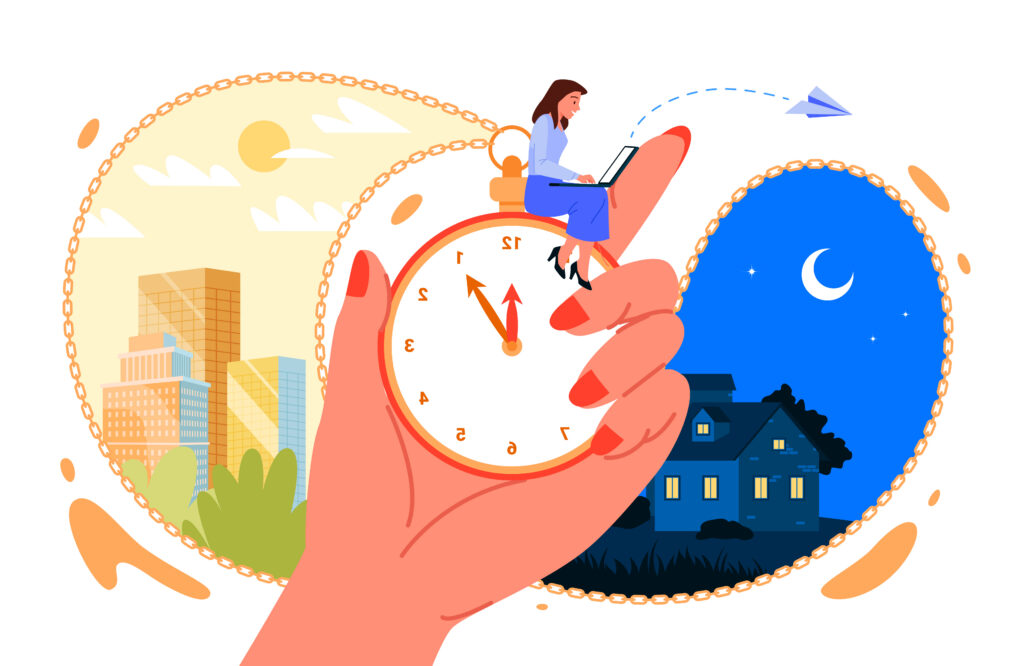
Another year, another time shift. Since the Daylight Savings Bill is currently stuck in limbo, we had to set our clocks back this past weekend and now face several months of driving home in the dark. Due to this change, you might now find yourself struggling with sudden sleep issues or wakefulness that seems to last all winter long.
As it turns out, there's a biological explanation for this feeling: your circadian rhythm. It's the reason you feel off-kilter following "spring forward" and "fall back" clock jumps. And learning to work with it rather than against it could make all the difference in how you feel throughout the day.
For attorneys, whose schedules are often dictated by court appearances, client meetings, deadlines, and the occasional late-night brief, maintaining a consistent routine isn't always easy. But understanding your body's natural patterns can help you make more intentional choices about when to work, rest, and recharge. So let's discover together how you can embrace your circadian rhythm, improve your sleep, and maximize your productivity.

Meet your internal clock. Your circadian rhythm is your body's approximately 24-hour biological cycle. It helps regulate when you feel awake or sleepy, along with important functions such as hormone release, body temperature, digestion, and metabolism. This internal clock is strongly influenced by light and darkness. When daylight enters your eyes, it sends signals to your brain that help promote wakefulness and synchronize your body's daily rhythm. As evening approaches and light levels decrease, your body begins preparing for sleep by releasing melatonin.
Of course, your circadian rhythm isn't the only thing determining how alert you feel. Sleep quality, stress, activity levels, and other factors also influence your energy. But your internal clock provides an important foundation for the way your body functions throughout the day.
Discover your chronotype. You've probably heard people describe themselves as early birds or night owls. Those preferences aren't necessarily just habits or personality traits. They can reflect differences in chronotype a.k.a. your natural tendency to feel sleepy and alert at particular times. Morning-oriented people generally prefer earlier bedtimes and wake times, while evening-oriented people tend to feel more alert later in the day. Most of us fall somewhere in between.
Your chronotype can also change with age. Teenagers, for example, often experience a natural shift toward later sleep schedules, while older adults tend to become early birds. The takeaway? There's no universally perfect time to wake up, exercise, or tackle your most demanding work. Understanding your own tendencies can help you create a routine that works with your own biology rather than what society encourages.
Want to learn more? Take Sleep Doctor's quiz, where they divide chronotypes into four different categories.
Beware of social jet lag. You don't have to board an airplane to experience jet lag. Social jet lag occurs when your sleep schedule on workdays differs significantly from your natural sleep schedule, often resulting in different sleep and wake times on weekends. For example, an attorney who wakes up at 6am Monday through Friday but sleeps until 10am on weekends may find themselves struggling to fall asleep Sunday night and feeling exhausted Monday morning. That's because constantly shifting your sleep schedule can throw your internal clock out of sync, much like traveling between time zones.
While sleeping in occasionally isn't the end of the world (and catching up on lost sleep can be beneficial), maintaining reasonably consistent wake times throughout the week can help minimize that Monday morning fog. Be sure you're getting a good amount of sleep each night, too. 7-9 hours is the average, with women typically needing more sleep than men. Your internal clock thrives on consistency!

Schedule your toughest work when you're sharpest. Think about the times of day when you feel most focused. When is it easiest to analyze complicated information, write persuasively, or solve difficult problems? For some attorneys, that might be first thing in the morning. Others may hit their stride in the late afternoon.
When your schedule allows, reserve those periods for tasks that demand your full attention, such as drafting briefs, preparing arguments, reviewing complex contracts, or developing litigation strategies. Save more routine administrative work for times when your energy naturally dips. Of course...you can't exactly tell a judge you'd prefer to move your hearing because your brain doesn't peak until 11 a.m. But even small adjustments to your daily workflow can help you make better use of the hours you do control.
Start your day with a little sunshine. One of the easiest ways to help recalibrate your circadian rhythm is to expose yourself to natural light shortly after waking. Morning daylight sends an important signal to your brain that it's time to be alert and active, helping synchronize your internal clock with the outside world. Your body also experiences a natural rise in cortisol around waking, which helps prepare you for the day ahead. Try opening your blinds as soon as you get up, enjoying your morning coffee near a window, or taking a short walk outdoors before heading into the office.
Outdoor daylight is generally much brighter than typical indoor lighting, even on cloudy days. Those few minutes spent outside can be more valuable than you might think. And don't forget the other half of the equation: dimming the lights in the evening helps signal that it's time to wind down. So turn off those bright overheads and invest in some nice, low lighting that really speaks to your circadian rhythm.
Create a sleep sanctuary. Your bedroom should be a place where your brain knows it's time to rest, not an extension of your office. Start by keeping the room cool, dark, and quiet. Blackout curtains, a comfortable mattress, and a fan or white noise machine can help create an environment conducive to sleep. Keep both cool sheets and cozy blankets on hand since fall weather tends to fluctuate.
Try putting your phone away and stepping back from televisions, laptops, and other bright screens about an hour before bedtime. Not only can evening light interfere with your body's natural melatonin signals, but scrolling through emails, news, and social media can keep your mind engaged when it should be winding down. Instead, establish a relaxing bedtime ritual, whether that's reading, stretching, taking a warm bath, drinking some chamomile tea, or listening to calming music. The more consistently you associate your bedroom with rest, the easier it will become to settle down at night.
Think twice about that nightcap or afternoon coffee. What you drink and when you drink it can have a surprising impact on your sleep quality. Caffeine temporarily blocks the effects of adenosine, a chemical that helps build sleep pressure throughout the day. Because caffeine can remain in your system for hours, that 3 p.m. latte may still be keeping you awake long after you've climbed into bed.
Alcohol presents a different problem. While a glass of wine or evening cocktail may initially make you feel sleepy, alcohol can disrupt sleep later in the night, contributing to frequent awakenings and less restorative rest. Alcohol also tends to constrict your blood vessels and raise your heart rate, which can make it more difficult to fall asleep.
You don't necessarily have to give up your favorite beverages, but being mindful of how much you consume—and how close to bedtime—can make a noticeable difference in how rested you feel the next morning.
Time your movement and meals. Exercise, food, and daily activity can also influence your body's rhythms. Regular physical activity supports sleep and overall health, whether you prefer a morning walk, lunchtime workout, or evening yoga session. The best exercise schedule is generally one you can maintain, so find what works for you and your schedule.
Eating at relatively consistent times can also help support your body's daily patterns. If possible, avoid eating a large, heavy meal right before bed, particularly if it causes discomfort or disrupts your sleep. Regular fasting, particularly at night, has a number of health benefits as it gives your body a chance to rest and repair. The goal isn't to organize every minute of your life around a rigid biological schedule, but to create routines that help your body anticipate when it's time to be active and when it's time to wind down.
Give yourself permission to power down. Modern work culture often rewards constant availability. Emails arrive at all hours, phones rarely leave our sides, and there's always one more thing that could be accomplished before calling it a night. The truth is, your body isn't designed to operate at peak performance around the clock.
Establishing an evening wind-down routine can help create a transition between work and rest. Close the laptop. Silence nonessential notifications. Read a book, stretch, listen to music, or do something relaxing that doesn't involve another deadline. Give yourself permission to rest. Giving yourself a break will ultimately prove best for both you and your clients.
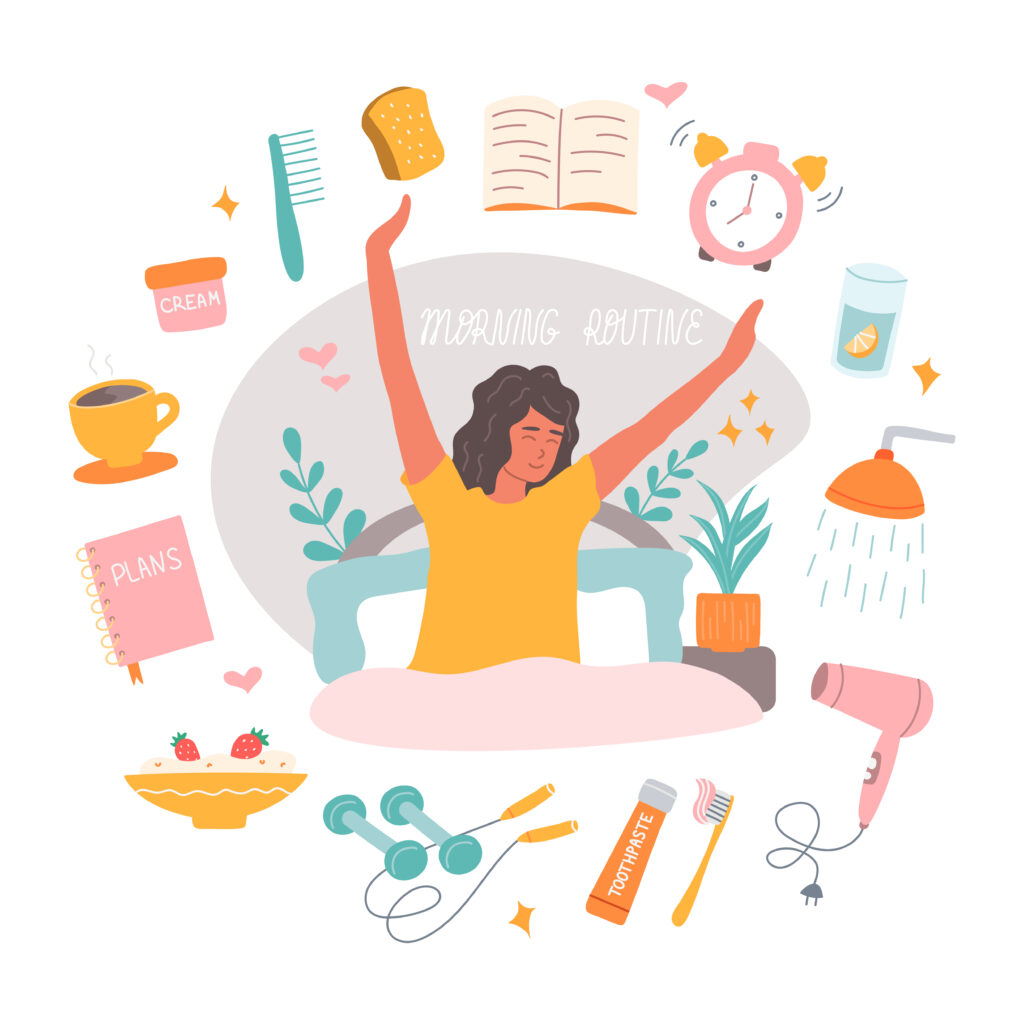
For attorneys who spend their days solving other people's problems, deliberately creating space for rest can be one of the most valuable habits to develop, and it goes hand-in-hand with embracing your circadian rhythm. And learning to embrace it starts with paying attention. Notice when you're most alert, when your energy dips, and which habits help you feel rested. Then make small, realistic adjustments where your schedule allows.
You may not be able to control every deadline, meeting, or unexpected phone call that comes your way. But you can become more intentional about how you use the hours in between.
After all, you can't always control the clock on the courthouse wall, but you can learn to work with the one inside your body.