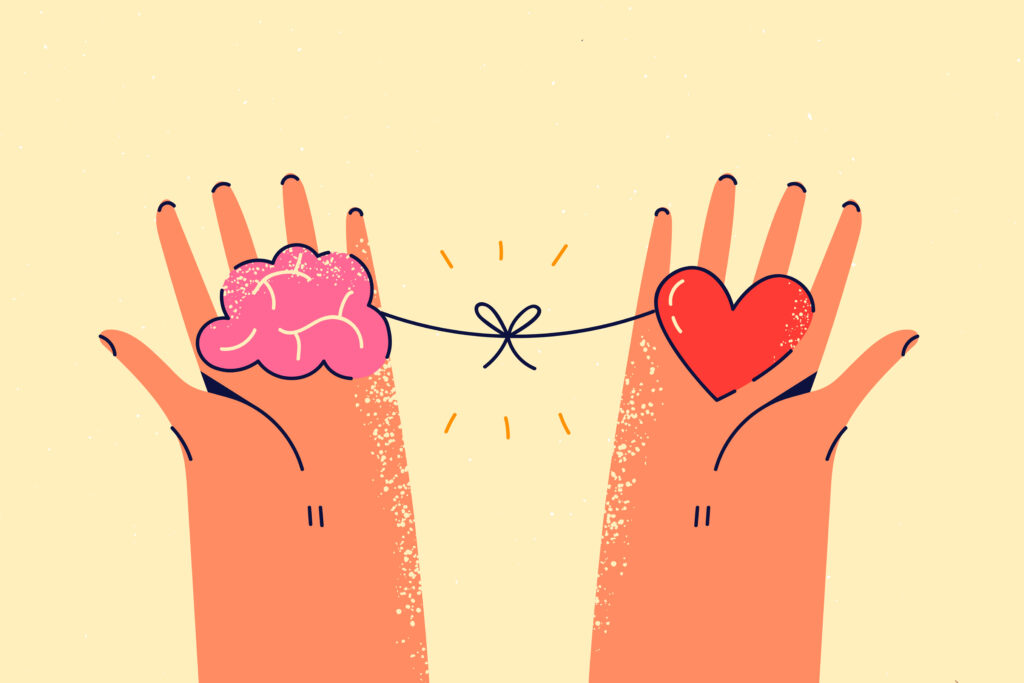
Sometimes, we don't know our limit until we reach it...and even then, we carry on. We've become so used to "running on empty" that it becomes the norm. Stress builds up and its consequences begin to damage our health and our lives, and we're still none the wiser. For many busy lawyers, the debilitating effects of stress on the body isn't just a threat—it's a reality. Long hours, compassion fatigue, and unyielding pressure can grow to take a heavy toll on your health.
As winter closes in, it's more important than ever that you take time to check in with both your mental and physical health. The mind and body are connected and when stress becomes chronic, it can have devastating effects on both.
Here are 8 signs that stress is having a debilitating effect on your health—but know that the list could be much longer and look different for everyone. Let's dive in...
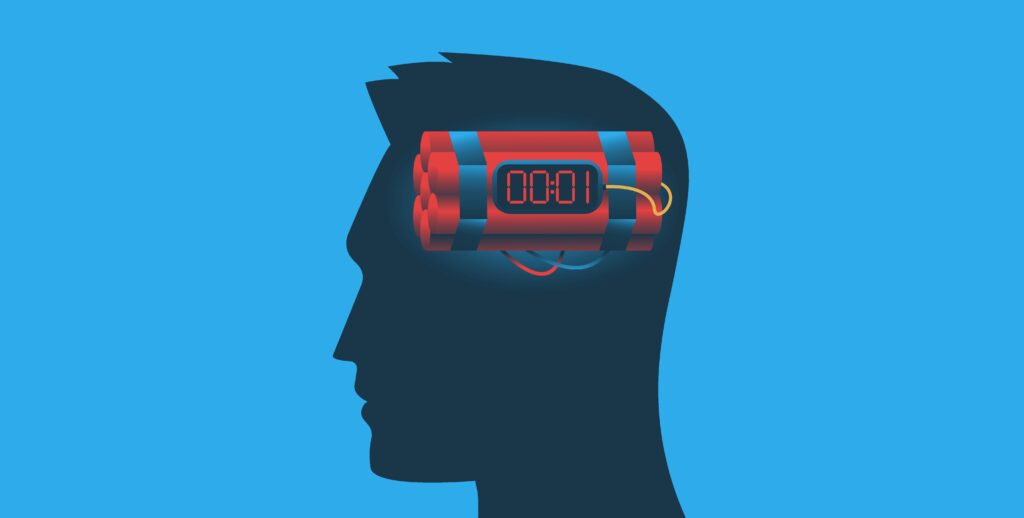
Cognitive fog. Our body is well-equipped to handle small doses of stress. In fact, our focus can become sharpened when stress floods the brain with cortisol. But if it goes on for too long, it can impair your memory, decrease concentration, and dull your brain's overall functioning. That can mean missed deadlines and poor performance in the courtroom. For attorneys, whose jobs depend on precision and clarity, cognitive fog can be dangerous. You can't afford it, especially when clients are depending on you.
Cardiovascular strain. Chronic stress has a direct link to high blood pressure, increased heart rate, and inflammation of blood vessels. The stress hormones leave you in a state of "fight or flight," which can be useful in short, alarming situations (such as swerving to avoid a traffic collision), but devastating in the long-term. This constant state of stress raises your risk for heart attacks and strokes.
Weakened immune system. Long-term stress also weakens your immune system's defenses, leaving you vulnerable to colds, flus, and infections. You might also find yourself less able to bounce back quickly from a sickness. This just won't do, when your schedule is overflowing and so many are depending on you. When your immune system is down, so is your availability, your energy, and your ability to represent your clients at your best. The solution? Don't let stress put you in that position in the first place.
Digestive distress. Our minds and hearts aren't the only thing connected...they're also connected to our stomachs! Chronic stress can affect your appetite (leading to over or under-eating) and your gastrointestinal system. It can cause pain, bloating, nausea, and other stomach discomforts. If you're especially susceptible to muscle tension, it can tighten your esophagus and make swallowing food difficult.
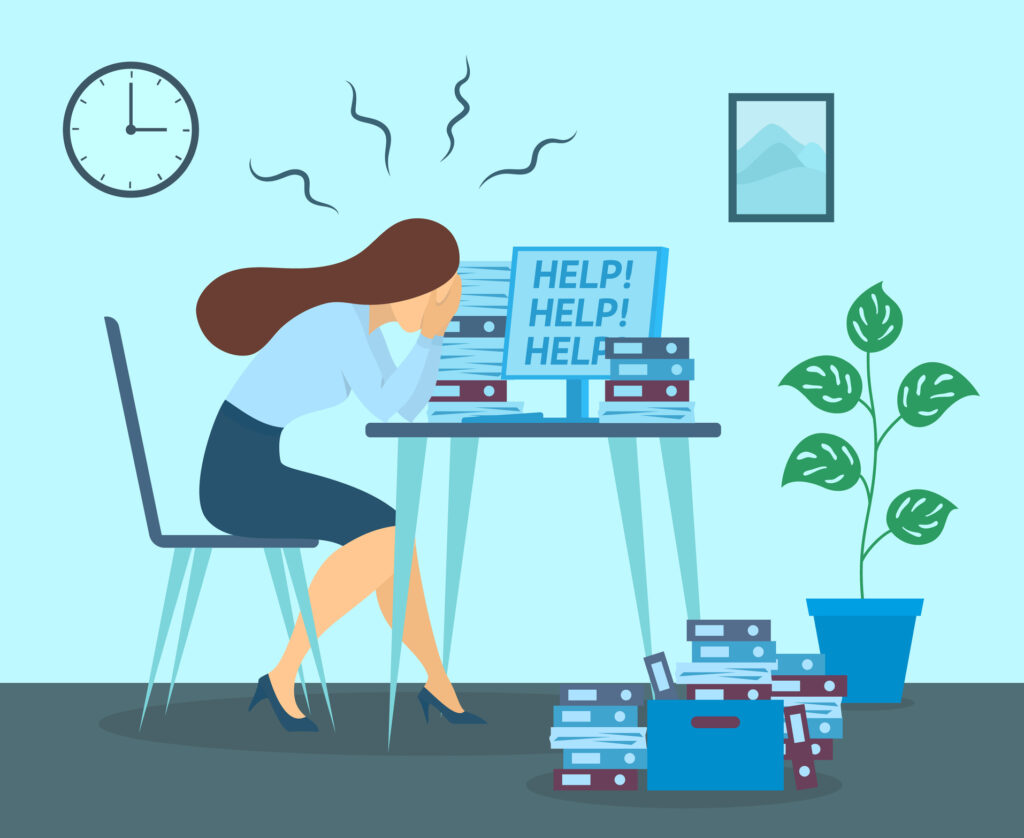
Sleep disruption. You might pride yourself on working late into the night or rising early in the morning to tackle that workload, but it's time to set that pride aside. You need that deep, restorative sleep in your life to truly be at your best. Otherwise, your lack of sleep can lead to stress, which can lead to insomnia or restless sleep, which ultimately results in a foggy mind and poor emotional regulation. Sleep deprivation is a silent saboteur; don't get caught in this merciless cycle if you can help it!
Chronic pain. The body literally stores stress in muscle tension. This can easily cause headaches, among other pains. Shoulder tightness, neck pain, back aches, a clenched jaw, a furrowed brow...do you find yourself storing tension in these places right now? These are all physical manifestations of mental strain. Left untreated, they can easily become chronic pain issues that interfere with daily life and work. So take a moment to breathe. Unclench your jaw, soften your brow, stretch those shoulders, and give yourself a quick neck massage. Make sure to keep checking in with your body like this, because a little goes a long way.
Emotional disorders. Of course all of these physical symptoms are going to have an effect on your emotional well-being. Chronic stress can often lead to increased anxiety and depression. This can result in fatigue, angry outbursts, a lack of motivation, the inability to feel happiness...the list goes on. If you find that chronic stress has lead you to this point, do not be afraid to reach out for help. Lean on family and friends or speak with a therapist or healthcare provider. If you're not sure where to start, there's always Lawyers Concerned for Lawyers, which specializes in confidential support for legal professionals.
Increased risk of long-term illnesses. Finally, and most alarmingly, chronic stress can lead to serious long-term health conditions such as autoimmune disorders, type 2 diabetes, certain cancers, and neurodegenerative diseases such as Alzheimer's. The longer stress goes unmanaged, the more likely it is to take root in ways that impact not just your career, but your entire future. Choosing how to respond to and manage stress is holding your very life in your hands.

How do you cope with stress? If you're reading this and wondering, "Okay, but what do I do about it?" then you're not alone. You've built your career on showing up for others, but this is your sign that you need to show up for yourself as well. After all, you can't pour from an empty cup.
Here is a list of ways you can battle the effects of chronic stress:
- Rest. Rest is not weakness, it is necessary. The less rest you get, the worse you perform, and nobody benefits from that.
- Physical activity. Exercise is a great stress-reliever. Try to exercise every day, even if it's as simple as a walk at lunch.
- Practice relaxation techniques. Deep breathing, meditation, yoga...all excellent ways to slow down!
- Spend time with family and friends. Us humans thrive on connections with our community.
- Set aside time for hobbies. Your "me time" is important. Don't let life revolve around work.
- Eat a healthy diet. Be sure to hydrate and don't skip on fiber. You are what you eat!
- Don't self-medicate with alcohol or other substances. That's just going to invite even more problems.
- Have a sense of humor. Even when things are terribly dark, a little humor to lighten things up can ease everyone's stress.
Understanding how stress can impact the body is the first step. Learning how to respond is the second. And with this blog post and our upcoming CLE, you'll have already done both.
Next up: Applying what you've learned so that you can have a longer, healthier life—one where you can continue to leave an impact.