Did you know that May is Mental Health Awareness Month? As an attorney, you know what it’s like to face long hours, high stakes, and relentless pressure in your career. Unfortunately, this can easily translate to an abundance of mental health struggles that are often left unaddressed. According to the American Bar Association, lawyers are significantly more likely than the general population to experience anxiety, depression, and substance abuse.

Mental Health Awareness Month, and our Raising the Bar blogs surrounding mental health, serve as a reminder that your well-being must be a priority, not an afterthought. Recognizing the warning signs of mental health deterioration early can make all the difference in finding help, prioritizing your quality of life, and protecting your practice. Here are five alarm bells every attorney should be aware of, along with what to do if you find your mental health is struggling.
5 Alarm Bells That Signal Your Mental Health is Failing - GettyImages 1457569802

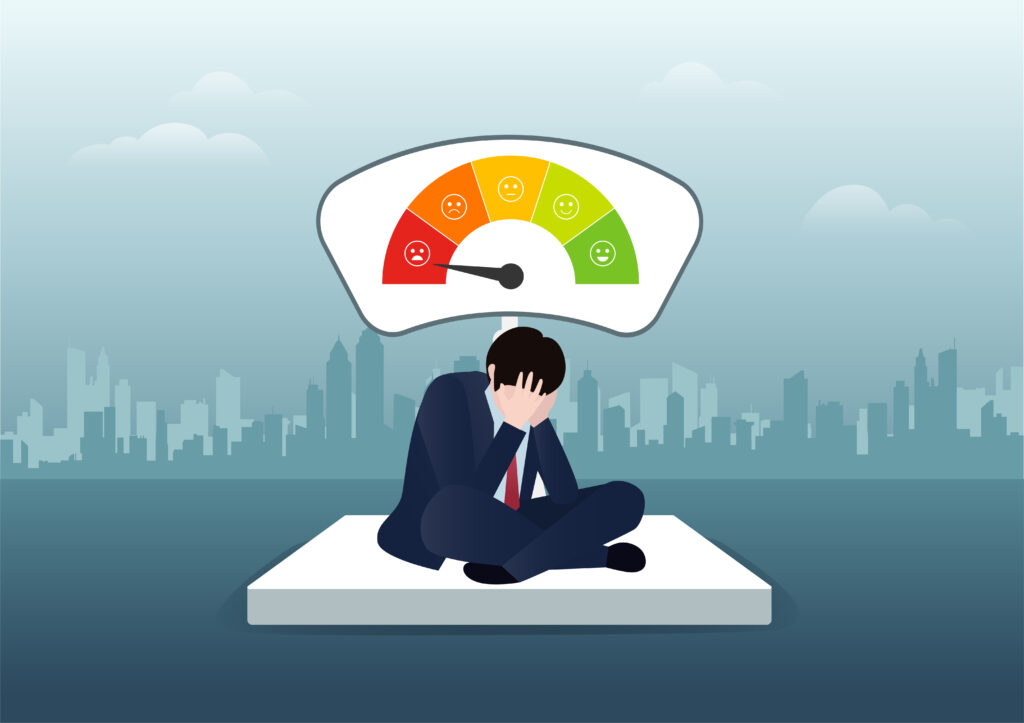
1. Chronic exhaustion. Feeling tired after a long week is normal, but persistent, bone-deep exhaustion isn’t. Constant exhaustion is often the first sign that something is wrong. You might have trouble falling asleep or staying asleep. Maybe you’re getting too little sleep or oversleeping to solve the endless fatigue that never seems to leave your body. Getting out of bed can feel like a massive feat. This lethargy, accompanied by a change in sleeping patterns, can easily spiral into other issues.

Exhaustion can lead to a decline in your professional performance. You might experience difficulty concentrating, impaired memory, or notice you’re making more mistakes than usual. When you have clients depending on you for a multitude of reasons, you can’t afford this.

2. Mood changes. This can come in many forms. You might be more irritable and easily lash out at your loved ones or coworkers over minor inconveniences. Anxiety could take over and rule every aspect of your life. Or depression could leave you with an overall sense of hopelessness and apathy, and a loss of joy doing things that once made you happy.

These dramatic shifts in your mood can have an adverse effect on both your professional and personal relationships. Emotional regulation is critical in client interactions, courtroom decorum, and professional reputation. If you’ve noticed a significant increase in irritability or a distinct lack of joy in your life, this is often a red flag that stress, anxiety, and depression are taking over.

3. Withdrawal and isolation. Do you find yourself turning down invitations, avoiding conversations, or losing interest in your once-thriving social life? Withdrawal is a major symptom of depression, burnout, or intense anxiety, and can create a dangerous loop: the more isolated you become, the worse your depression gets. Social support is one of the greatest weapons against mental health struggles. Resist the impulse to pull away from your family, friends, and peers, and ask yourself why it is you feel that way.

4. Physical symptoms. Sometimes our mental struggles manifest as physical symptoms that affect our bodies. This could mean a loss of appetite, rapid heart rate, dizziness, gastrointestinal symptoms, or pounding headache. Stress also weakens the immune system. If you find yourself falling sick more and more often, it could be another alarm bell ringing out.

5. Coping mechanisms. Sadly, many people with failing mental health often turn to substance abuse to relieve stress. This could take the form of alcohol, drugs, overeating, or even compulsive behaviors such as gambling. While it’s natural to seek relief during stressful periods, relying on unhealthy coping mechanisms signals that underlying mental health issues may be escalating. Left unchecked, these habits can spiral into serious health, legal, or ethical consequences, and make recovery even more difficult.

5 Alarm Bells That Signal Your Mental Health is Failing - GettyImages 1199487363

What to do if you notice these alarm bells? Recognizing and admitting you have a problem is the first step. Denial will only delay in getting necessary help. Some hesitate to admit they have a problem, viewing it as a sign of weakness, but facing your flaws is, if anything, a sign of true strength. It takes a great deal of wisdom, courage, and self-respect.

Know that there is no rule that says you have to navigate this alone. Talk to someone you trust: a family member, a friend, a colleague, or a therapist. Simply talking about these problems can go a long way. From there, seek change. Set small, manageable goals such as regular breaks, daily exercise, or getting to bed earlier. Self-care doesn’t have to be overwhelming life changes; it’s small changes that add up into a world of difference.

If this isn’t something that can be solved with simple changes then it might be time to seek professional help. Therapy, counseling, and support groups can be a game-changer. Many state bar associations offer confidential assistance programs for struggling attorneys. The Pennsylvania Bar Association offers Lawyers Concerned for Lawyers and a confidential helpline available whenever you need it.

PBI occasionally offers mental health-related CLEs that can educate you on how to build a more balanced life. Check out the following offerings in our on-demand library to score credits while educating yourself on the dangers of burnout:

The Lawyer’s Guide to Mitigating Burnout: Caring for Ourselves and Our Clients in Challenging Times

The Truth about Compassion Fatigue: Managing Empathic Overwhelm in Lawyers

Distressed Lawyers – An Occupational Hazard? (2025 Estate & Elder Law Symposium Session)
5 Alarm Bells That Signal Your Mental Health is Failing - GettyImages 1385940084

As you depart from this blog post to go about your busy day, remember this: you can’t pour from an empty cup. Your ability to advocate for others, negotiate high-stakes deals, or win in the courtroom depends first on your ability to care for yourself. Mental health is not a luxury—it’s essential for a long, successful, and fulfilling career in law.

This Mental Health Awareness Month, take a moment to check in with yourself, and encourage your colleagues to do the same. Recognizing the signs early can change the trajectory of your career and your life. If you need help, don’t hesitate to reach out. If you’re thriving, reach out to others. Ask them how they’re doing and be a pillar of strength they can lean on. Together, we can help build a healthier, happier legal profession.


President Donald J. Trump has returned to the White House for his second term. If there’s one thing both sides of the aisle can agree on, it’s that these first 100 days have been nothing short of eventful. From sweeping executive actions to headline-making legal challenges and legislative priorities, the early months of Trump 2.0 have marked a pivotal moment in American political and legal history.

Legal professionals must do their best to keep up with this rapidly evolving landscape.

Here are 10 key developments from President Trump’s second term opening stretch…

10 Developments from Trump's First 100 Days - GettyImages 1704449237

1. Executive Orders Take Center Stage

President Trump signed a flurry of executive orders within his first days back in office, addressing issues such as energy policy, border enforcement, and federal agency oversight. So far, he has signed over 120 executive orders, surpassing the pace of previous administrations. These actions signal a return to many priorities from his first term, along with new directives aimed at swiftly reshaping executive branch policy.

2. Reshaping Immigration Policy

The administration reintroduced several immigration initiatives, including renewed efforts to expand border security and limit certain visa programs. This includes the reinstatement of the “Remain in Mexico” program and efforts to end birthright citizenship for children of undocumented immigrants. Legal challenges quickly followed in multiple jurisdictions, setting the stage for another round of high-stakes judicial review.

3. Shifts in Regulatory Enforcement

President Trump has emphasized deregulation, directing federal agencies to roll back various environmental and labor rules implemented during the prior administration. Attorneys practicing administrative, labor, and environmental law are watching closely as these rollbacks evolve—and as lawsuits begin to mount.

4. Changes in the Department of Justice

Under Attorney General Pamela Bondi, the Department of Justice has shifted its focus in areas such as election law, civil rights enforcement, and corporate compliance. These changes reflect a broader policy reorientation and raise important questions for legal practitioners about how enforcement will play out across federal jurisdictions.

5. Judicial Appointments Begin Anew

With several vacancies on the federal bench, the Trump administration has wasted no time in nominating judges who align with its judicial philosophy. These appointments will have a lasting impact on case law in areas ranging from administrative law to constitutional interpretation.

10 Developments from Trump's First 100 Days - GettyImages 1346156711

6. Executive Action on Reproductive Health Policy

A new executive order reinforced restrictions on federal funding for abortion-related services and reversed several guidance documents related to reproductive health. Legal scholars and healthcare attorneys are closely examining these moves, particularly in light of ongoing litigation and evolving state-federal dynamics.

7. Environmental Policy Realignment

The administration has moved to reopen energy development on federal lands and reassess climate-related regulations. These actions have sparked legal debates over environmental impact, agency authority, and public lands management—issues that will likely land in courtrooms soon.

8. Reassertion of Trade and Tariff Policy

Currently, President Trump’s tariffs are taking center stage in the news. The administration has taken initial steps to renegotiate trade deals and reassess tariffs, signaling a continuation of the “America First” economic agenda. These actions may affect business, international law, and regulatory compliance across multiple sectors.

9. Heightened Activity in State-Federal Legal Disputes

Several states have already filed lawsuits challenging federal policy changes—particularly in the areas of healthcare, education, and environmental regulation. The legal tensions between state attorneys general and the federal government continue to shape the broader constitutional dialogue.

10. Legislative Outlook and Congressional Dynamics

While much of the early activity has come via executive action, the White House has also laid out legislative goals on tax reform, social media regulation, and national security. Legislative progress has been limited during these past few months. As of now, only a few bills have been signed into law, with many proposals still under consideration in Congress. How Congress responds—and how those proposals evolve into law—will be critical in the months ahead.

10 Developments from Trump's First 100 Days - GettyImages 1300444386

Clear, timely, and respectful communication isn’t just good manners in the legal profession—it’s the foundation of trust, the fuel for strong client relationships, and often the difference between a positive recommendation and a complaint to the disciplinary board. Whether you’re new to the profession or looking to refine your approach, strong communication skills are essential to being a successful attorney.

Without further ado, here are six rules every lawyer should follow to communicate like a pro, build client confidence, and avoid common pitfalls.

6 Rules for Top-Notch Client Communication - GettyImages 1386897149

Set expectations. Don’t assume clients know how, when, and where your communications will come. Make sure it’s crystal clear from day one. Communicate when and how often you’ll respond to messages, what kind of updates they can expect, and who else they might hear from on your team. If there are certain hours where you have zero availability and will be unreachable, let them know.

Setting expectations early on helps avoid misunderstandings and strives for a more transparent attorney-client relationship.

Be prompt with responses. If your client reaches out to you with questions, don’t put off answering them. Even if you’re diligently working on the case or up to your neck in paperwork, it takes less than a minute to acknowledge receipt. A client could equate silence with neglect and their stress might start to build if they don’t hear from you. To diminish their anxiety, shoot them a quick message saying, “Just wanted to let you know I’m working on this and will have more information later,” or “Thanks, got your email, I will respond to your questions later today.” A small communication like this can go a long way in building your client’s trust. Responsiveness signals reliability and that’s exactly what they’re looking for.

6 Rules for Top-Notch Client Communication - GettyImages 2156140935

Avoid speaking “Legalese.” Your client didn’t go to law school so don’t make them haul a dictionary to your meetings—they’ve got enough on their mind as is. Instead, make an effort to use plain language over legal jargon. Break down the complexities and encourage them to ask questions about anything they don’t understand. Instead of “We’ll file a motion to dismiss under Rule 12(b)(6),” try “We’ll ask the judge to dismiss the case because the opposing side hasn’t stated a valid legal claim.” Clear communication is a sign of respect and will leave your client feeling heard and understood.

Keep your client in the loop. You might be steering the legal strategy, but your client is the one who is truly in the driver’s seat. Keep them informed about key decisions and major deadlines so that they can make informed choices. Always be ready to detail their options and provide your professional opinion.

While it’s good to keep them involved and in the know, try to avoid overwhelming them, too. Don’t flood their inbox with every little procedural update. Stick to the big picture.

6 Rules for Top-Notch Client Communication - GettyImages 1731320743

Document everything. Good communication involves both verbal and written skills. Keep valuable notes for every meeting that takes place, detailing important strategies and case developments. A paper trail will double as a useful reference and protect you if misunderstandings arise later on. It also provides extra clarity for your client to give them detailed notes.

Practice empathy. It’s easy to let the logical side of your brain lead the way; after all, lawyers deal in logic. But keep in mind that most clients come to you from difficult, emotionally charged situations. A contract dispute, estate planning, a divorce, a custody battle. You might work with these issues on a daily basis, but for them it is a major life event. So be patient. Show compassion. Your clients will remember how you made them feel, long after that final bill has been paid.

6 Rules for Top-Notch Client Communication - GettyImages 1557118048

The most successful lawyers aren’t just great legal minds who know the ins and outs of the law—they’re also clear communicators, patient listeners, and trusted advisors. These six rules will help sharpen your communications skills all while having a positive, lasting impact on your client.

Let your communication be as strong as your legal arguments. Your clients (and your reputation) will thank you!

Do you consider yourself as an early bird or a night owl? Hopefully the former because I’ve got bad news for night owls…studies suggest that early risers experience a number of benefits, including improved mental health. With mental health being an important topic for burnt-out lawyers and Mental Health Awareness Month around the bend, this makes it a great time to take a closer look at the benefits of being the early bird.

It pays to be early on grabbing those compliance credits, too! That’s why you should rely on PBI to bring you the timeliest CLE there is, available at your convenience. Avoid stressful last-minute deadlines with our upcoming live webcasts or earn distance credits with any of these great choices in our on-demand library.

Now read on and find out if the early bird really does get the worm!

5 Benefits of Being the Early Bird - field of grass and flying birds

Quiet, distraction-free time. Mornings are calm. Fewer texts, fewer emails, and no meetings (at least I certainly hope so for your sake). It’s prime time for focused work, deep thinking, and personal projects. If you’d rather use that time to hit the gym or watch the sunrise with a cup of coffee in hand, you’re free to do so. Since the majority of people rise with or after the sun, it’s probable that no one will bother you during this time. Truly, the early morning hours are the definition of “me time.”

Of course, night owls might feel the same way about staying up very late into the night, when everyone else is asleep. However, they won’t have…

Stronger morning habits. People who wake up early often have more consistent routines—whether it’s journaling, working out, meditating, or just making a real breakfast. Being the early bird can give your productivity a serious boost. If you do your best work in the morning, then you should definitely take advantage of that instead of opting to sleep the day away.

Having more time in the morning to enjoy yourself, exercise, or complete tasks will also decrease stress in the long run—and lawyers should jump on any reduction in stress that they can get! Perhaps it’s time to construct a habitual morning routine, which can prove to be very beneficial.

5 Benefits of Being the Early Bird - spring bird

Mental health and clarity. Cognitive research shows that for many people, willpower and decision-making are strongest in the early hours. Great for tackling hard tasks first! Excellent mental clarity is especially important in the detail-oriented legal world. It’s imperative that you stay sharp for your clients, so make sure you’re getting plenty of rest at decent hours.

Poor sleep quality can cause a decline in mental health. Those who stay up at all hours of the night are proven to have a higher risk of mood disorder, fatigue, anxiety, and depression. This is because sunlight works wonders for your mental state and gives you much-needed Vitamin D. Of course, it’s still possible to rise with the moon and have great mental health and clarity. You just might have to work for it a little bit harder.
Productivity and motivation boosts. A full night’s sleep means more energy to tackle the day. Early birds tend to report higher levels of positivity and satisfaction. This translates to steadier bursts of productivity throughout the workday. With their boosted clarity and focus, it’s no wonder that morning people often report greater productivity than night people. Who knew that simply rising earlier could have such a ripple effect?

5 Benefits of Being the Early Bird - GettyImages 1400241266

Better sleeping and eating cycles. If you consistently rise early, you’re more likely to get to bed earlier—and maintain a healthy circadian rhythm. When we rise and fall with the sun, we feel better for it. It’s also beneficial to wake naturally instead of setting an alarm. If that feels impossible for you, the key is to be patient. Adjust your sleep schedule little by little. Try to move it by 15 minutes each night. Get plenty of daylight in the morning and minimize screen time at night. Once you find the perfect schedule, stick to it. You might find yourself sleeping deeper and waking more refreshed once you do!

In regard to eating, night owls often tend to skip breakfast, the most important meal of the day. That’s an invitation for low energy levels and brain fog. Wake up early and get that worm! It’s having more of an effect on your health than you might think and setting the tone for your entire day.

Of course…it’s not one-size-fits-all. You might take this advice and find you are absolutely miserable in the early morning. Some people are just biologically wired to thrive later in the day. Night owls can still be productive—they just peak at different hours. There are plenty of successful night owls out there who understand the way they are wired and have it all figured out.

Still, don’t knock early rising ’til you’ve tried it! The key is figuring out when you’re naturally most alert and creative, and building your routine around that. If you’d like to learn more about building a constructive morning routine, check out this past blog post! Or check out this one, all about maintaining sleep hygiene!

Artificial intelligence (AI) is no longer the future—it’s the present. In workplaces across the country, employers are increasingly relying on AI-powered tools to streamline hiring, manage performance, monitor productivity, and even assist in termination decisions. From resume screeners to productivity trackers, AI promises efficiency and cost savings. But as with many technological advancements, those promises come with legal complexities and compliance risks.

Now let’s take a look at how AI is reshaping employment practices and why attorneys, HR professionals, and business leaders must stay vigilant in this fast-moving legal landscape…

AI and Employment Law - employment law institute 2025 1 1500w

Automation of the Employment Cycle. AI systems are increasingly being used to automate the many stages of the hiring process. These systems can evaluate resumes, scanning them for specific keywords that match the job description to help determine if they have the skills necessary for the job in question. If a potential hire does not meet the requirements, it can toss them aside without a single pair of human eyes seeing their resume.

AI can also track performance of current employees. Some platforms track keystrokes, analyze output, and rank productivity. These metrics can play a role in identifying underperforming employees; something many find dystopian and disturbing. There’s no denying that this technology can streamline work in an unprecedented way and reduce administrative burden, but with convenience comes a host of legal issues, especially when it is used to make decisions that affect people’s livelihoods. Which brings us to our next point…

Algorithmic Bias. One of the biggest flaws in AI? It’s discriminatory. AI learns through historical data, which can reflect past discrimination or biased decision-making. If an algorithm was trained on data that favored certain demographics (whether intentionally or not), it can replicate and amplify that bias. This can come in the form of AI screening out protected classes, failing to account for employees with disabilities, or unconsciously upholding stereotypes.

AI comes with a lack of transparency and little explanation as to how it makes its decisions. It could be exhibiting bias and putting up barriers without anyone being the wiser. This presents a legal minefield for employers that might utilize this technology.

AI and Employment Law - GettyImages 1652589857

The Missing Federal Framework. There is currently no unified federal statute regulating the use of AI in employment decisions. As far as things go, it’s currently the wild west out here. However, there is a patchwork of existing state-level rules such as…

Illinois’ AI Video Interview Act requires employers to notify and obtain consent from applicants when using AI in video interviews.

New York City’s Local Law 144 mandates independent audits of automated employment decision tools (AEDTs) and requires public disclosure.

California Assembly Bill 2013 is tackling AI transparency; demanding developers to disclose details about their training data in order to uphold accountability.

As more jurisdictions adopt unique legislation, multi-state employers must navigate inconsistent compliance obligations, increasing the burden on HR and legal teams.

Employee Privacy. AI also brings up the question of privacy concerns and raises red flags among potential hires. Employers might grow excited at the thought of automating processes or collecting data on their best workers, but employees dislike excessive monitoring. It can damage morale and foster distrust in the workplace faster than you can say “Big Brother is watching.”

AI and Employment Law - GettyImages 917590810

Conclusion: Whether you’re representing employers, advocating for workers, or serving as in-house counsel, understanding the legal implications of workplace AI is now essential. As AI continues to transform the workplace, the legal profession must evolve in step.

One of our most popular blog posts has become a trilogy! Still looking for that perfect plant to make your office a more cheerful space? You’re in luck. We’ve gather six more beautiful, easy-to-care for plant suggestions. After all, plants are a wonderful way to lift your spirits and improve your mental health. If you don’t have a green thumb, no need to worry; these are six low-maintenance plants that can easily fit into your busy lifestyle…not unlike PBI CLE!

Once you’ve picked your perfect plant, check out our upcoming live webcasts, in-person events, or our robust on-demand library. April compliance will be here before you know it, and we’re determined to help you stay ahead of the deadline with stress-free CLE that fits your schedule.

Now let’s dive in! As always, we’ve included information such as the plant’s light preference, water needs, and its toxicity, so you can find one that suits your space, all while keeping your children and pets safe (if you’re planning to put this plant in your home office).

6 Unique, Low-Maintenance Plants for Your Office (Pt. 3) - GettyImages 1359561042

1. Boston fern. This tropical fern is equally gorgeous in an outdoor hanging planter or an indoor pot. It can grow up to four feet long and three feet tall if given the space to do so! They come in many forms such as the Florida Ruffle (named for its feathery fronds) and the Golden Boston (which yields golden leaves).

Though the Boston fern prefers consistent moisture and humidity, it is also fairly drought tolerant, which means this hardy plant will forgive you if you forget to water it. Keep it out of the sun because it burns easily. This plant is especially thirsty in the summertime and will droop to let you know when it needs a drink. To encourage new growth, be sure to remove any dead or yellow fronds.

Care: Bright, indirect light. Water every day in the summer, every three days in winter. Consider misting them regularly.
Toxic: No.

6 Unique, Low-Maintenance Plants for Your Office (Pt. 3) - GettyImages 1302349063

2. Bromeliad. Did you know some types of bromeliads don’t require soil to grow? Now that’s low maintenance! These stylish houseplants purify the air, are safe for pets, and come in a variety of colors, making them one of the most popular plants to own.

Like the Boston fern, the bromeliad can tolerate drought conditions but grows best when kept moist. Their beautiful blooms can last for weeks, but once it fades, the plant will start to decline. Keep an eye out for pups (baby plants) growing around the base of the mother plant. If you handle them correctly, you can grow more bromeliads all on your own!

Care: Bright, indirect light, though some varieties prefer low light. Water every 1-2 weeks in warmer months, 2-3 weeks in colder months.
Toxic: No.

6 Unique, Low-Maintenance Plants for Your Office (Pt. 3) - GettyImages 492004922 1

3. African violets. This lovely plant is known for its unique, velvety leaves and clusters of bright blooms. They come in all sorts of colors such as blue, purple, red, pink, and white. When in the right environment, the flowers will bloom all year round. If there are no blooms, it could be due to insufficient light, temperature issues, watering problems, or nutrient deficiencies. Remove dead flowers to make way for new ones before figuring out how to revitalize your plant. A healthy plant can live up to 50 years if you treat it right!

Avoid getting water on the leaves of the African violet. It can cause leaf spotting, crown rot, or white residue. Instead, water the base of the plant.

Care: Bright, indirect light. Water once a week.
Toxic: No.

6 Unique, Low-Maintenance Plants for Your Office (Pt. 3) - GettyImages 1494467261
.

4. Burro’s tail. This aptly named succulent can grow up to four feet long! They look best trailing from hanging planters. Since it stores water in its leaves, it doesn’t need to be watered often. It does well pot-bound (they are notoriously difficult to repot once they grow too big) and has few problems with pests. In fact, the best thing you can do for this plant is to not touch it, as the tiny leaves fall off incredibly easy. If that should happen, you can always try to propagate new plants from the discarded fragments!

Care: Partial sun. Water thoroughly every other week.
Toxic: Mild toxicity to pets.

6 Unique, Low-Maintenance Plants for Your Office (Pt. 3) - GettyImages 1178772079

5. String of pearls (/tears/bananas/hearts/turtles). Sometimes you get to pick your favorite color, sometimes your favorite…shape? Like the burro’s tail, this is a trailing plant that would bring a great deal of character to your office when put in a fun hanging planter or growing out of a head. They store water in their pea-like “pearls” and are resistant to drought. If you’d like the plant to look fuller, you can trim it down and add cuttings back to the top. These will take root in a few weeks.

These succulents can easily succumb to overwatering. Give them well-draining soil and only water when it’s gone completely dry. If the “pearls” look soft, squishy, or wrinkled, it’s a sign that you’re overwatering. It’s better to underwater the string of pearls than overwater. Finally, even though it’s a hanging plant, make sure sunlight is reaching the top of it as well as the strands.

Care: Bright, indirect light. Water every 2-3 weeks in warmer months, less in colder months.
Toxic: Yes.

6 Unique, Low-Maintenance Plants for Your Office (Pt. 3) - GettyImages 1578376593

6. Echeveria succulent. Echeveria is a genus of desert succulents, known for their rosy shape and wide range of colors. With their fleshy, water-storing leaves and ability to thrive, they’re the perfect match for busy attorneys such as yourself. They’re a standout plant in any collection.

The biggest downside to these succulents? You might not be able to just buy one! With their many different shapes, textures, and colors (plus the fact they’re non-toxic and easy to care for), you might soon find yourself with an entire garden or pot teeming with unique succulents. A succulent planter workshop is a great way to unwind and spend time with friends or family!

Care: Full sun, partial shade. Water every 2-3 weeks in warmer months, once a month in colder months.
Toxic: No.

Looking for more options? Check out our first blog on unique plants here, or the second one here, to further expand your choices!

Spring is finally here–this always inspires a nature-themed blog on Raising the Bar. This year, we’re sharing six ways you can bring nature to your doorstep.

Attorneys are no stranger to stress. Long hours, high-pressure cases, and constant deadlines can often lead to burnout. One of the best ways to boost your mental well-being? Reconnecting with nature. Research consistently shows that spending time in the great outdoors can reduce stress and improve mental health–something we all could use more of, but particularly lawyers.

Of course, your busy schedule might not lend itself to daily walks around the park. That’s why we’re writing about how to bring nature to you, allowing you to enjoy it from your home or office. This is the perfect time to ponder how nature isn’t just something we protect…it’s something we can integrate into our lives.

Let’s dive in!

5 Ways to Bring Nature to Your Doorstep - outside

Create water sources. Water is the lifeblood of Earth, sustaining every ecosystem. Since all life depends on it, creating water sources is a surefire way to bring in wildlife, especially during the hot summer months when it becomes an even more precious resource. Consider installing a small pond, setting out a bird bath, or even buying a bubbling fountain. It will bring in all sorts of guests. Also, the sound of running water is soothing to hear and reduces stress. Win-win.

Offer food. Some of us only show up to office parties when there’s free food, right? Well, animals are the same way. Make your local birds happy by providing a variety of birds feeders offering seeds, nuts, suet, or fruit. Don’t have anywhere to hang a feeder? There are simple tray feeders you can stick to your window with the help of suction cups.

Another great food source is trees and shrubs that produce fruit and berries. You’ll be the most popular place in town if you introduce such a valuable food source, which doubles as a place for animals to perch, hide, or rest in. Just make sure you’re planting a native species (more on that in a bit).

Finally, if you are a fan of composting, keep at it! Compost not only enriches the soil, but it attracts beneficial insects and invertebrates. Insects attract birds and other animals going up the food chain. If you’d like to learn more, check out this beginner’s guide to composting from NPR.

5 Ways to Bring Nature to Your Doorstep - GettyImages 155913199

Plant a garden. There are all sorts of options when it comes to planting a garden! Who doesn’t love to grow and harvest their own food in a vegetable garden? A pollinator garden is a fantastic choice to help out our busy bumblebee and honeybee populations. Or if you’re a bird-lover, plant a unique garden with hummingbirds’ favorite flowers. Any hummingbird garden is bound to beautiful since they’re attracted to bright colors. Finally, if you’re a bit low on space, or would rather grow a garden indoors, opt for an herb garden. You can fit a number of herbs into a single planter, and they’ll happily grow side by side.

No matter what you choose, planting a garden is one of the best ways to connect with nature. It reduces screen time, calms you, and leaves you with a sense of accomplishment (and the freshest veggies around)!

Don’t have a backyard? Don’t let that stop you! If you have a porch, balcony, or railing, you can still fill that space with hanging planters. Tomatoes do particularly well in pots so long as they’re getting enough sunlight and water. Keep in mind that water drains faster from pots and raised beds, so be sure to keep everyone thoroughly hydrated.

5 Ways to Bring Nature to Your Doorstep - spring bird

Focus on native species. You might not realize it, but our area is teeming with invasive species who are not a natural part of the ecosystem or food chain. Invasive plants have a habit of aggressive growth and spread and will easily crowd out native species. They often have no natural predators to eliminate them, either. That’s where you come in. The next time you have a spot of downtime, arm yourself with a plant identification app, and take a stroll around your yard. Try to identify each plant, shrub, and tree, and classify it as native or invasive. If it’s invasive, rip it out and replace it with a native species! It’s a great deal of work, but it’s worth it in the end to have a more natural environment. Besides, native plants are usually lower maintenance in the long run.

Check out this article from Stauffers of Kissel Hill to learn more about the benefits of native plants, as well as recommendations for what you can plant in your yard.

Leave some areas wild. A manicured lawn sprayed in chemicals has no place in the natural world, especially since pesticides can harm helpful insects. Sometimes, the best thing we can do for nature is to not interfere at all. Leaving a portion of land untouched might be the easiest action (or lack of action) on this list. Wild, unmowed areas offer a lot to wildlife. Leaf litter and brush piles provide shelter and food. Wildflowers invite bees, butterflies, and other insects.

Nature is a delicate balance, but also pretty good at working itself out when it needs to.

5 Ways to Bring Nature to Your Doorstep - GettyImages 1804036223

Nature can be a powerful tool to reduce stress and enhance your mental clarity. The best part? It’s all around you and doesn’t require a major lifestyle change. With a little bit of effort, you can bring it straight to your doorstep and experience the benefits firsthand.

If you’d rather have nature inside with you rather than outside, we’ve got you covered there, too. Look forward to yet another blog post on even more unique and low-maintenance plants for your office, coming next week!

Raise your hand if you keep getting those texts saying that you owe money for passing through a toll booth on the turnpike, even though you never did. Or maybe your inbox is flooded with emails trying to bill you for something you never paid for. Or perhaps you’re constantly fielding voicemails where the sheriff or the IRS is threatening to come take you away. These are just a few examples of scams that have become so common that almost everyone has experienced them in one way or another.

Unfortunately, there’s an incredibly long list of scams to be wary of. Read on to learn about common scams circulating within our country as well as signs to help you identify them. These dead giveaways should garner suspicion and keep you from jumping straight into the traps that have been set.

Scammers are continuously harnessing the latest technology and becoming cleverer over time so you must remain ever vigilant. Seniors are particularly susceptible to scams and often targeted due to this fact. By learning what scams to be on guard against, you’ll not only help yourself, but have the capabilities of helping your loved ones and your clients.

Common Scams to be on Guard Against - Scam Senior

1. The Imposter Scam. One of the most common scams is when the scammer impersonates someone of importance such as a government official, tax collector, utility company, or postal service. They will contact you first and either ask for personal information, such as your password or social security number, or pressure you into making an immediate payment. Alternatively, the scammer might choose to impersonate your boss or bank, if they have that information. They might request strange forms of payment such as gift cards or wire transfers or simply go after your credit card number. They might even spoof their phone number to look legitimate or grant themselves the same area code as you to further convince you this is the real deal.

Scammers will always try to bring about a sense of urgency. Depending on who they’re posing as, they might threaten immediate arrest or termination. Their goal is to apply pressure, imbue panic, keep you on the line, and gain access to your money as quickly as possible. Instead, take a deep breath and pause. Know that government agencies and banks will never demand payments over the phone or threaten immediate arrest. If you want to double check this is real, get off the phone and call a legitimate number. For example, if you’re not sure that you’re talking to your boss, hang up and reach out to them through a known medium to confirm if they really did want you to buy a $100 dollar gift card for the company picnic.

2. The Grandparent/Grandchild Scam. Artificial intelligence has brought about new levels of disturbing in the world of scams. Voice-cloning technology has allowed scammers to create fake voices that can mimic the sound of your loved ones with a single recording of their voice. Scammers are using it to call seniors and pose as their grandchildren, pretending to be in jail, injured, or stranded. They ask for money and secrecy, begging the grandparent not to tell anyone.

This scam can appear in other forms as well, such as a daughter pretending to be kidnapped and crying for their parent to pay a ransom. The scammers will threaten her life if you try to hang up. It’s a terrifying situation, but it has the same solution as the Imposter Scam: try to call your loved one and verify if the situation is real or not.

For seniors who are worried about this happening to them, some states have financial exploitation laws that allow banks to put a hold on suspicious withdrawals. Attorneys can help seniors set up legal safeguards like trusted contacts and financial power of attorney to prevent unauthorized withdrawals. If you’re a knowledgeable elder law attorney and handle this type of work all the time, and you haven’t joined the Elder Law Institute this summer, be sure to check out the Elder Law Institute 2025 E-Book!

Lawyers and senior elderly clients. Inheritance document arrangement, certify contracts and deeds.

3. The Tech Support Scam. This is when a scammer pretends to be a Microsoft, Apple, or antivirus company representative, warning that your computer is infected. The fraudster tricks you into granting remote access, allowing them to steal personal information or demand payment for fake services. This scam can appear as an email or as an alarming popup that tries to invoke fear. It will encourage you to call a number and that’s when the scammer will ask you to give them control of your device.

Another way to spot scams is to read emails very carefully. Check the address and domain of the sender. Look for typos in the body of the email. Google if anyone else has gotten the same message and can confirm it’s a scam. Scam emails don’t usually appear professional and are littered with errors…but that doesn’t mean they’re not making efforts to break that stereotype. Proceed with caution and never click any suspicious links within these emails!

4. The Sweetheart Scam. Many lonely hearts have fallen victim to this “catfishing” scam. A catfish is someone who pretends to be someone they are not online, with the goal of luring you into a romantic relationship and/or draining your wallet. They’re banking on an emotional connection to manipulate you. After exchanging sweet nothings, the catfish will fake an emergency or express their desire to visit you. However, they never have the money for medical bills or travel expenses and it’s on you to provide it.

The biggest red flag of this scam: You will be hard-pressed to ever get them on a video call, because these scammers use fake pictures of beautiful men and women. If you try to, they will most likely have an excuse as to why they cannot facetime you or meet you in person. They will keep the focus on you sending money, instead.

5. The Too-Good-To-Be-True Scam. Congratulations, you’ve won the sweepstakes! The prize? A hefty sum of money and a free vacation! Claim your prize before it’s too late! The only problem is…you never entered this sweepstakes. Sometimes scammers try to thrill you in order to drop your guard. Unfortunately, these scenarios are often too good to be true and are probably one click away from asking you to pay some kind of fee.

Common Scams to be on Guard Against - GettyImages 2190800585

In conclusion, if you ever suspect a scam, take a moment to stop and think instead of succumbing to panic or excitement. Verify the source of the message you received. Refuse to share your personal information with all unsolicited callers, no matter what they’re threatening. Take the time to warn others so they don’t fall prey.

Scammers may continue to evolve their tactics but knowing the red flags and always staying on guard can help you stay one step ahead. Whether you’re an attorney, caregiver, or simply looking to protect yourself and your loved ones, education is the best defense!

Artificial intelligence is revolutionizing various industries unlike anything we’ve ever seen before. We previously tackled AI’s relationship to Health Law and Real Estate. It only makes sense to tackle AI’s impact on the environment next!

As legal professionals, understanding AI’s impact on various fields of law is crucial. These tools may enhance efficiency, decision-making, and innovation, but they also present ethical dilemmas and other unforeseen issues. It’s your duty to stay on top of these evolving trends so that you can effectively shape new policies. Our CLE will help you do just that. Whether you’re looking to harness AI for smarter time management in your law firm or to stay on top of the latest in environmental law, we’ve got you covered.

Now read on…

World and wooden gavel with a golden scale for law international environmental concept of business corporate and industry.

When you think about it, AI and the environment might feel like two completely opposite ends of a spectrum. AI brings to mind futuristic robots in a corporate landscape, vastly different from unspoiled nature. AI has an insatiable demand for energy. Training a single AI model requires massive computational power, relying on data centers that take up land space and utilize high amounts of electricity to power operations. Here’s an alarming fact: Ireland’s data centers consumed more electricity last year than all of its urban homes combined. This rise is demand for data processing and AI learning has raised concerns about climate targets for the country. This begs the question: Does artificial intelligence’s benefits outweigh its environmental costs?

That’s not the only issue. The AI boom requires high-performance hardware such as GPUs (graphics processing units) and semiconductor chips, leading to an increased demand for rare earth minerals such as lithium, cobalt, and nickel. Mining operations for these materials often result in soil degradation and water pollution. Technology is moving fast and constantly being upgraded, which means this hardware is quickly being replaced and contributing to electric waste, a growing global concern.

All of these concerns raise important legal considerations. How can we minimize our carbon footprint despite this growing technology? How do we incentivize companies to pursue renewable energy sources for AI training, hardware recycling, and responsible mineral sourcing? Should water and energy consumption limits be placed on tech companies operating large AI data centers? Certainly some food for thought.

AI and the Environment - GettyImages 1466924677

Despite its significant footprint, AI still has the potential to mitigate environmental damage when used correctly, making it a double-edged sword. AI-powered algorithms help scientists predict extreme weather events with greater accuracy, allowing governments to prepare for hurricanes, floods, and other natural disasters. In fact, Google has an AI-based flood forecasting system that has improved warning times by up to 48 hours in high-risk areas! With these systems in place, we can easily receive warnings and take action from there.

Ironically, AI can also help with energy efficiency and water conservation through predictive analytics. By predicting demand, it can improve efficiency and reduce waste. These tools can be used to assist in tackling climate change. Though it might take a lot of energy in the beginning, it might be a worthy pursuit in the long run.

AI’s environmental impact raises critical legal and regulatory questions, as it always does. In the case of the environment, the question is who bears the responsibility for AI’s carbon footprint? The government? The company that trained the AI? Those who are utilizing it? Speaking of, how do we utilize it responsibly? AI has shown us that it makes mistakes and can’t completely be relied on. How do we monitor compliance?

One thing is for certain: AI is here to stay. The question is, will we regulate it wisely to protect our environment or will we let it become another unchecked contributor to climate change? The answer lies in the hands of policymakers, environmental lawyers, and advocates like you.

AI and the Environment - GettyImages 1358839342

It’s difficult to set standards when AI is advancing at such a rapid rate. That’s why it’s important you stay at the forefront of the conversation.

We’ve written about healthy foods to put in your body in the past…but what foods shouldn’t you put into your body? You might already be thinking “Yeah, yeah, I know to avoid junk food, it’s the age-old advice.” It’s true that ultra-processed food and junk food go hand in hand, but it can sometimes show up where you might not expect it.

It’s too easy for busy attorneys like yourself to put your mental and physical health on the backburner as you address the needs of clients first. However, it’s important to take care of yourself so that you can take care of others, and nutrition plays a big part in that. After working long hours, it might be tempting to go for whatever is quick and easy, but that can be damaging in the long run. Let’s take a closer look at the dangers of ultra-processed food together.

The Truth About Ultra-Processed Foods - GettyImages 2190503526

Unprocessed vs. Processed vs. Ultra-Processed. It’s important to understand exactly what qualifies as ultra-processed food before tackling why it’s so bad for you. Here’s a comparison between the aforementioned three types of food:

Unprocessed: Food in its original form including fresh vegetables, fruit, meat, eggs, and nuts.
Processed: Food that has gone through a change such as canned food, cheese, beef jerky, wine, and olive oil.
Ultra-Processed: Food that has been broken down and created through industrial processes such as packaged cereal, cookies, candy, chips, frozen dinners, soda, and protein bars.

You could not make ultra-processed food at home if you wanted to. They are created from basic food crops such as corn, wheat, and potatoes, which are broken down into their molecular parts and pressed into a slurry-like substance. These hard-to-pronounce “ingredients” are industrially manufactured. From there, artificial colorings, flavorings, preservatives, and glue-like emulsifiers are added, and the slurry is crafted into something that resembles food…but it’s more like pre-digested food if anything.

This pre-digested slurry has little in the way of nutrients and moves through your digestive system incredibly fast. It will not grant you the feeling of fullness, but it will make you crave more since it gives you a hit of dopamine with its addicting taste. It’s the illusion of food and nothing like the fuel your body needs to keep going.

The Truth About Ultra-Processed Foods - GettyImages 185312294

Here’s a scary fact: Estimates say 73% of the food supply in the U.S. is made up of ultra-processed foods. The sad truth is it’s cheaper for food companies to reduce real foods into molecules and reassemble them into addicting ultra-processed foods. Times are tight and work keeps us busy; it’s too easy to opt for what’s cheap and convenient. It may not nourish our bodies, but it certainly nourishes their profit margins. Quality and health are not their priority…which is why you have to make it yours!

Take time to check the ingredients of what you’re buying. The fewer ingredients and the more words you recognize, the better. Those crazy ingredients you’ve never heard of or struggle to pronounce usually mean it’s factory-produced, which you should be wary of. Watch out for artificial dyes too, considering we’re fresh off the Red Dye No. 3 ban. You never know what could get banned next (though we should all have an inkling).

Doing this might just surprise you! For example, you might think applesauce is healthy, but it’s usually pumped full of sugars. And that cereal billing itself as being heart-healthy might not be so healthy after all. Reach for food in its most original form instead.

One last bit of advice: be aware of liquid calories. These same threats reside in what we drink as well as what we eat, and you can ingest a mind-blowing number of calories through sugary soda pop or your favorite Starbucks drink.

The Truth About Ultra-Processed Foods - GettyImages 95621765

We are still in the process of finding out exactly what harmful consequences ultra-processed food will have on our society, but more and more studies are being released, linking these foods to cancer, depression, diabetes, heart disease, and so on. Harvard Health recently released a study observing the link between depression and ultra-processed foods, given their ability to disrupt our gut microbiomes (which happen to have a direct connection to our brains). Lawyers are already at great risk of depression, burnout, and other mental health problems due to high stress careers. It’s important to find ways to mitigate burnout before it’s too late.

These unhealthy and addictive foods also sap your mental sharpness, contribute to brain fog, and increase feelings of stress, something a hard-working attorney can’t afford. This is because they cause blood sugar spikes, nutrient deficiencies, and trigger inflammation in both the brain and the gut. Not only are you starving your mind of the fuel it needs, but you’re also offering it harmful substances that slow it down.

If ultra-processed food is a staple of your diet, it’s time to rethink your meal plans and snack smarter. Prioritize whole, nutrient-dense foods that have been minimally processed, and you will find yourself feeling better for it. Stay sharp for your clients!

The Truth About Ultra-Processed Foods - GettyImages 1259984250

Remember: fuel for your body is fuel for your practice! By cutting back on ultra-processed foods and making smarter choices, you can boost your energy, focus, and long-term health, allowing you to be at your best for your clients, your colleagues, and yourself.

Want to learn more? Check out this article from Healthline.

Reproductive health law is at the center of some of the most dynamic and contentious legal debates in the United States today. It has undergone significant transformations in these past few years. If you’re an attorney who practices health law, you can’t afford to miss a single instant.

It’s crucial to examine these changes, understand their implications, and discuss the future of reproductive care. Let’s examine the most pressing issues in reproductive health law today and explore their implications together.

Health care and innovative technology in modern hospital

The legal landscape has shifted dramatically in recent years, with evolving policies on abortion access, in vitro fertilization (IVF), contraceptive rights, and the intersection of religious and medical freedoms. These changes impact healthcare providers, legal professionals, policymakers, and—most importantly—patients seeking reproductive care.

Legal battles over reproductive care is being waged on multiple fronts. Some states are making efforts to restrict access to abortion while others have enacted protective measures. Some laws are being upheld while others are challenged in courts.

With federal and state laws constantly changing, legal professionals face unique challenges in advising healthcare providers, navigating compliance issues, and advocating for patient rights. Court decisions and new legislation continue to redefine the boundaries of reproductive care, making it essential for those in the health law field to stay informed. From there, attorneys must ensure they are keeping their clients educated and work towards developing clear guidelines and policies that protect both providers and patients in the realm of reproductive health.

Navigating the Evolving Landscape of Reproductive Health Law - GettyImages 1654862265

There are a number of implications for healthcare providers and patients to be aware of.

Legal uncertainty. The fluctuating legal environment creates challenges for healthcare providers striving to comply with varying federal and state regulations. Patients may face confusion and barriers when seeking reproductive health services, emphasizing the need for clear communication and legal guidance. Many patients have considered crossing state borders to find a solution, further muddying the waters. These complicated issues require extensive research to clear away any uncertainties.

Privacy concerns. With changes in policy enforcement, concerns about the privacy of individuals seeking reproductive care have intensified. Many women have turned away from period-tracking apps and are now hesitant to share information with their doctors. Healthcare providers must navigate these complexities to protect patient information while adhering to legal requirements.

Access to services. Policy shifts, such as the enforcement of the Hyde Amendment, which restricts federal funding for abortion, and changes in clinic access protections, may disproportionately affect marginalized communities, potentially limiting their access to essential reproductive health services. Recent legislation has created a patchwork system where the availability of services varies widely depending solely on location. Those in rural communities and from low-income households face greater challenges in finding care. Patients in restrictive states must travel for services, increasing financial and logistical burdens.

Navigating the Evolving Landscape of Reproductive Health Law - GettyImages 2174682867

The legal complexities surrounding reproductive healthcare are far from settled. As access to reproductive healthcare continues to be challenged, attorneys, policymakers, and medical professionals must stay informed and proactive in shaping the future of health law.

Staying informed and engaged is essential for all attorneys, no matter the field. That’s why PBI is committed to bringing you the timeliest CLE there is, so you can stay at the forefront while scoring stress-free compliance!

AI is transforming healthcare at a rapid pace, bringing innovation, efficiency, and new challenges for legal professionals. As AI-powered tools become more integrated into healthcare delivery, lawyers practicing in health law must navigate a shifting landscape of patient privacy, liability concerns, regulatory compliance, and ethical considerations.

Let’s take a closer look at the relationship of AI and health law together.

Health care and innovative technology in modern hospital

Patient privacy. Artificial intelligence can analyze vast amounts of medical data, predict health outcomes, and even assist in robotic surgeries. However, with these advancements come significant legal and ethical concerns, such as protecting patient privacy. Since AI relies on existing data for training, that means private health information can be at risk. Companies must be held accountable for training their AI behind closed doors without receiving permission.
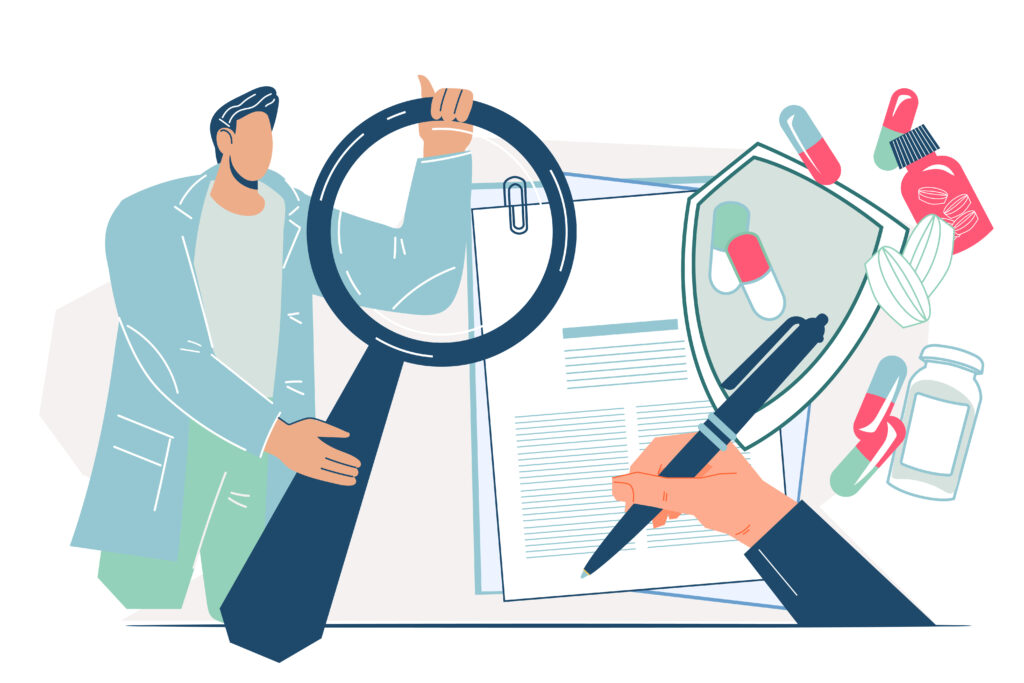
As AI becomes more embedded in healthcare workflows, data protection strategies must evolve to keep up. Health law attorneys must ensure that AI use is complying with patient privacy laws while also addressing any cybersecurity risks in the medical system.

Liability. What happens when an AI-powered diagnosis tool makes an incorrect recommendation? Or when a robotic-assisted surgery results in unexpected complications? Determining liability in AI-driven healthcare is one of the most pressing legal challenges in this space. Does it fall on the physician, the hospital, or the AI developer? Health law attorneys will play the crucial role in shaping these decisions of the future.

AI and Health Law - GettyImages 1466924677

Compliance. Despite the challenges, AI can also be a powerful tool for healthcare compliance, helping to detect fraud, waste, and abuse, ensuring that healthcare providers adhere to regulatory requirements. It can do this by monitoring billing and claims, analyzing electronic health records for errors, and predicting risks before they result in violations. For attorneys, understanding how AI can streamline compliance efforts will be critical in advising clients on risk management and regulatory strategies.

Ethical concerns. As artificial intelligence becomes increasingly integrated into healthcare, ethical concerns are at the forefront of legal discussions. While AI has the potential to improve efficiency, accuracy, and accessibility, it also raises significant questions about bias, transparency, patient autonomy, and accountability. Lawyers working in health law must be prepared to navigate these ethical dilemmas and help shape policies that promote both innovation and patient protection.

We must remember that AI is imperfect, considering it is learning from us imperfect humans!

AI and Health Law - GettyImages 1333253892

Join the conversation! If you have missed to attend Day 1 and Day 2 of the Health Law Institute, you can review the Health Law Institute 2025 E-Book! The future of healthcare is constantly changing, and you must be prepared to tackle its challenges. This essential institute involves discussions of AI and healthcare, and much, much, more!